Author: Olivier Hottois

Het Joods Museum van België presenteert een nieuwe tentoonstelling gewijd aan de Amerikaanse conceptuele kunstenaar Sol LeWitt (1928-2007). De tentoonstelling wordt georganiseerd door Barbara Cuglietta en Stephanie Manasseh in samenwerking met de nalatenschap van de kunstenaar. 

Aan de hand van een unieke selectie van Wall Drawings (muurtekeningen), werken op papier, gouaches, structuren en archiefmateriaal uit de jaren 1960 tot 2000, belicht deze tentoonstelling de diversiteit en eenheid in Sol LeWitts productieve oeuvre. Het wordt een dubbele première: een verkenning van zijn Joodse roots en een onderzoek naar zijn banden met België. De tentoonstelling gaat ook gepaard met de lancering van de nieuwe Sol LeWitt-applicatie, ontwikkeld door Microsoft.

De tentoonstelling

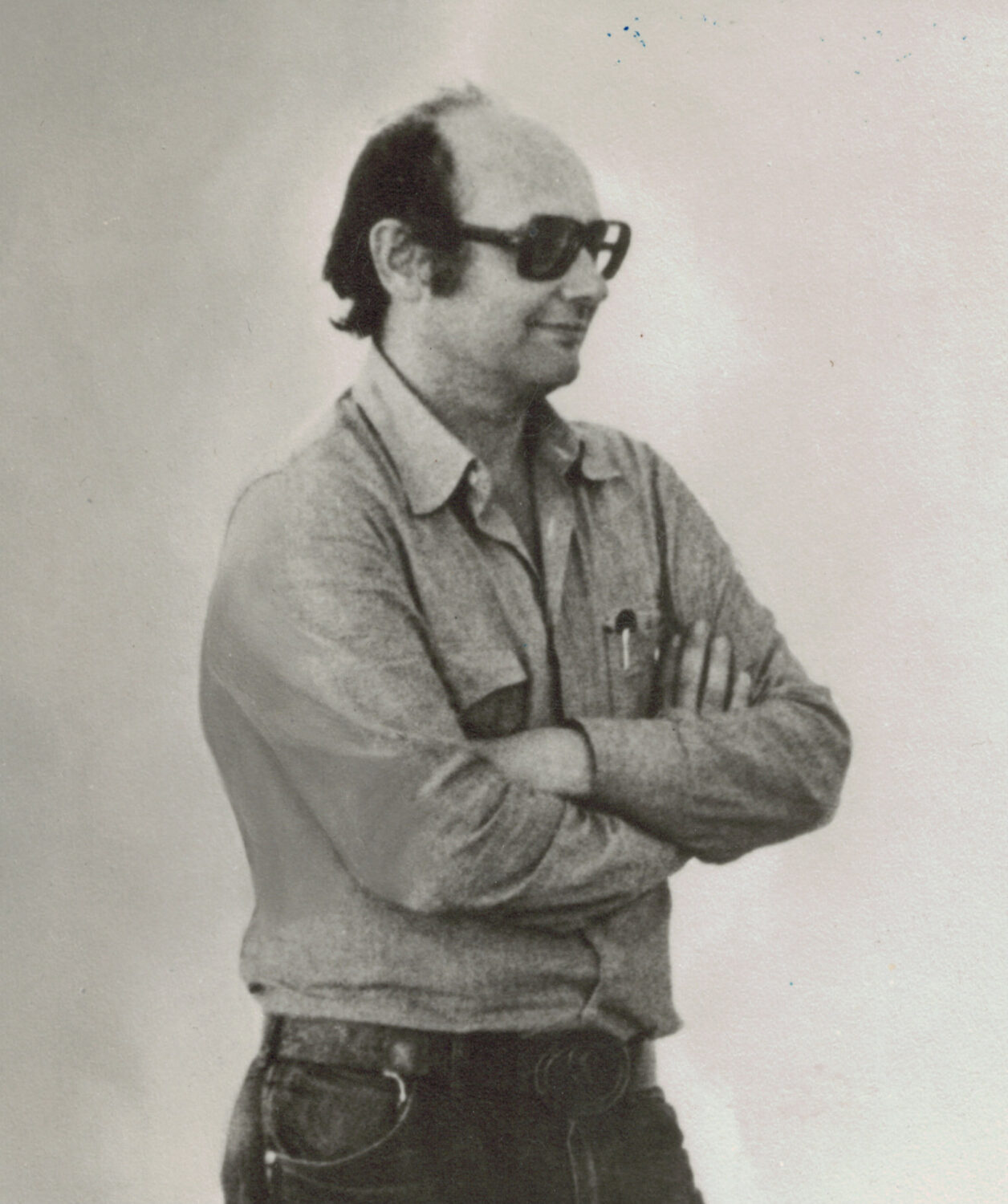
Solomon (Sol) LeWitt, geboren in Hartford, Connecticut, in een familie van Joodse immigranten uit Rusland, was een pionier op het gebied van conceptuele en minimalistische kunst, en staat vooral bekend om zijn Wall Drawings. Hoewel hij niet religieus was en een seculier leven leidde, onderhield Sol LeWitt gedurende zijn hele leven een discrete maar hardnekkige band met zijn Joodse achtergrond. In de jaren negentig raakte hij actiever betrokken bij zijn gemeenschap in Chester, Connecticut, en ontwierp hij de nieuwe synagoge van de gereformeerde Congregatie Beth Shalom Rodfe Zedek, die in 2001 werd geopend. Voor Sol LeWitt was het ontwerp van een synagoge “een probleem van geometrische vormen in een ruimte die aangepast is aan ritueel gebruik”. Aan de hand van archieven, tekeningen, foto’s en getuigenissen verkent de tentoonstelling in het Joods Museum van België de ontstaansgeschiedenis van dit belangrijke project, dat tot nu toe weinig bekend is bij het grote publiek.

De tentoonstelling gaat ook in op een ander vergeten aspect van Sol LeWitts carrière: de nauwe relaties die de kunstenaar doorheen zijn carrière ontwikkelde met Belgische verzamelaars, galeriehouders en in België gevestigde kunstenaars. Zo zal onder meer Wall Drawing #138, voor het eerst gemaakt in Brussel in de galerie MTL – die een pioniersrol speelde bij de introductie van conceptuele kunst in België – worden getoond, evenals Sol LeWitts samenwerking met de architect Charles Vandenhove bij het ontwerp van het Universitair Ziekenhuis in Luik.

Alle werken in de tentoonstelling zijn afkomstig uit Belgische openbare en privé-collecties, alsook uit de LeWitt Collection. De Wall Drawings, die rechtstreeks op de muren van het Joods Museum van België worden aangebracht, vormen een uitzonderlijke participatieve ervaring, waarbij in Brussel gevestigde jonge kunstenaars en studenten aan kunstscholen worden samengebracht met professionele kunstenaars uit de studio van LeWitt. Voor elke muurtekening worden teams gevormd rond een professionele assistent die met de lokale studenten werkt en hen begeleidt. Dit educatieve initiatief is voor hen een unieke kans om betrokken te worden bij het creatieve proces van een van de grootste Amerikaanse kunstenaars.

Ten slotte is de tentoonstelling in het Joods Museum van België de gelegenheid om in Europa een applicatie voor smartphones te lanceren, gewijd aan de kunstenaar en zijn werk en ontwikkeld door Microsoft in samenwerking met de LeWitt Collection. In overeenstemming met de wens van Sol LeWitt om kunst voor iedereen toegankelijk te maken, zal deze applicatie de bezoekers een unieke meeslepende en educatieve ervaring bieden.

(Omslagfoto: Sol LeWitt, Wall Drawing #528G, 1987. Exhibition view at Galleria Massimo Minini, Italy, 2013. Photo Courtesy Galleria Massimo Minini © Estate of Sol LeWitt, 2021)

 © Estate of Sol LeWitt, 2021 

“A collection is a state of mind.” Galila Barzilai Hollander

“Works on Paper” offers an incursion into the teeming universe of Galila Barzilai Hollander, a Belgian collector born in Tel Aviv. For the past fifteen years, this extraordinary personality has been assembling works of contemporary art into a collection that tells the story of her own life: underpinning the works brought together is a compelling desire to reinvent the self.

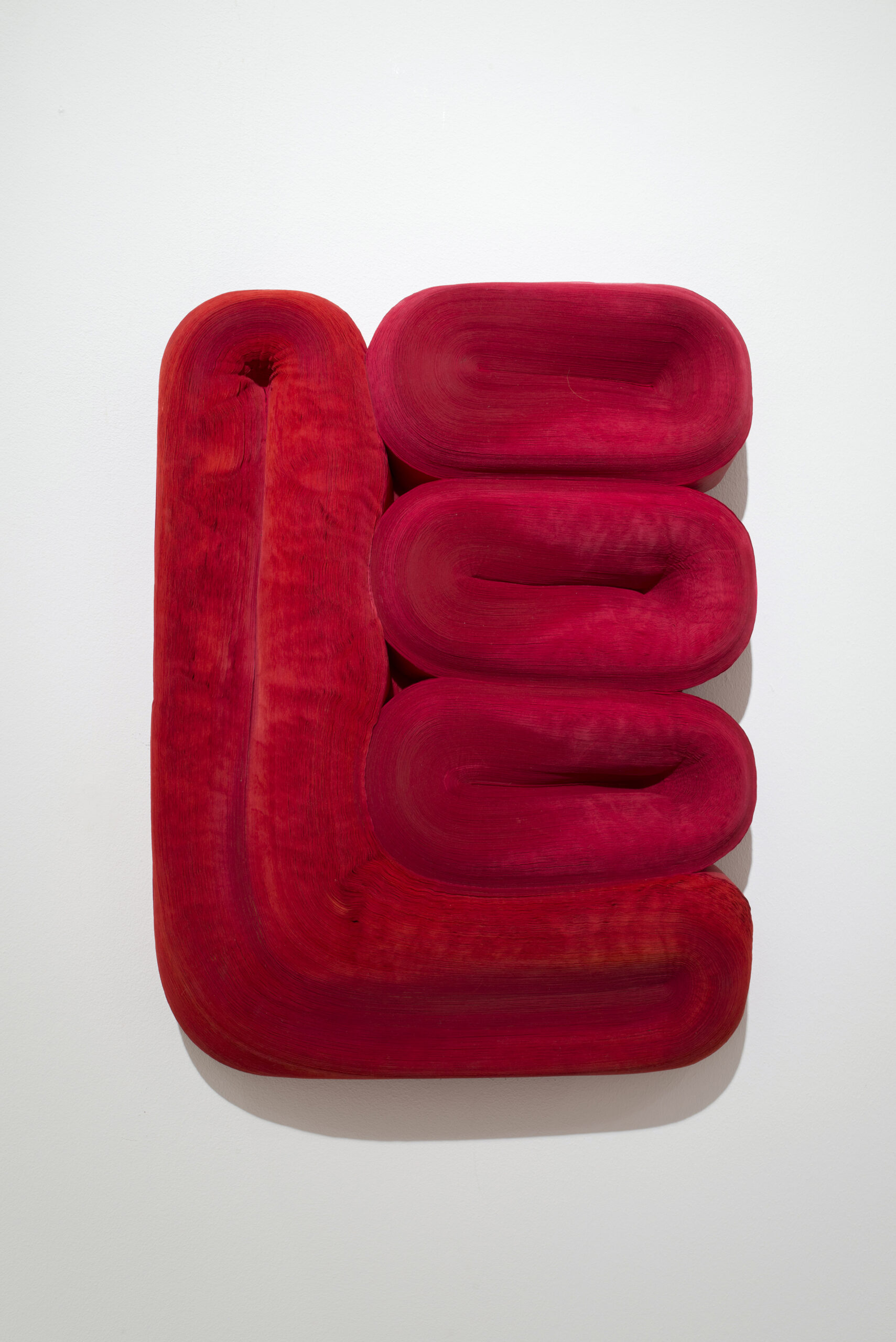
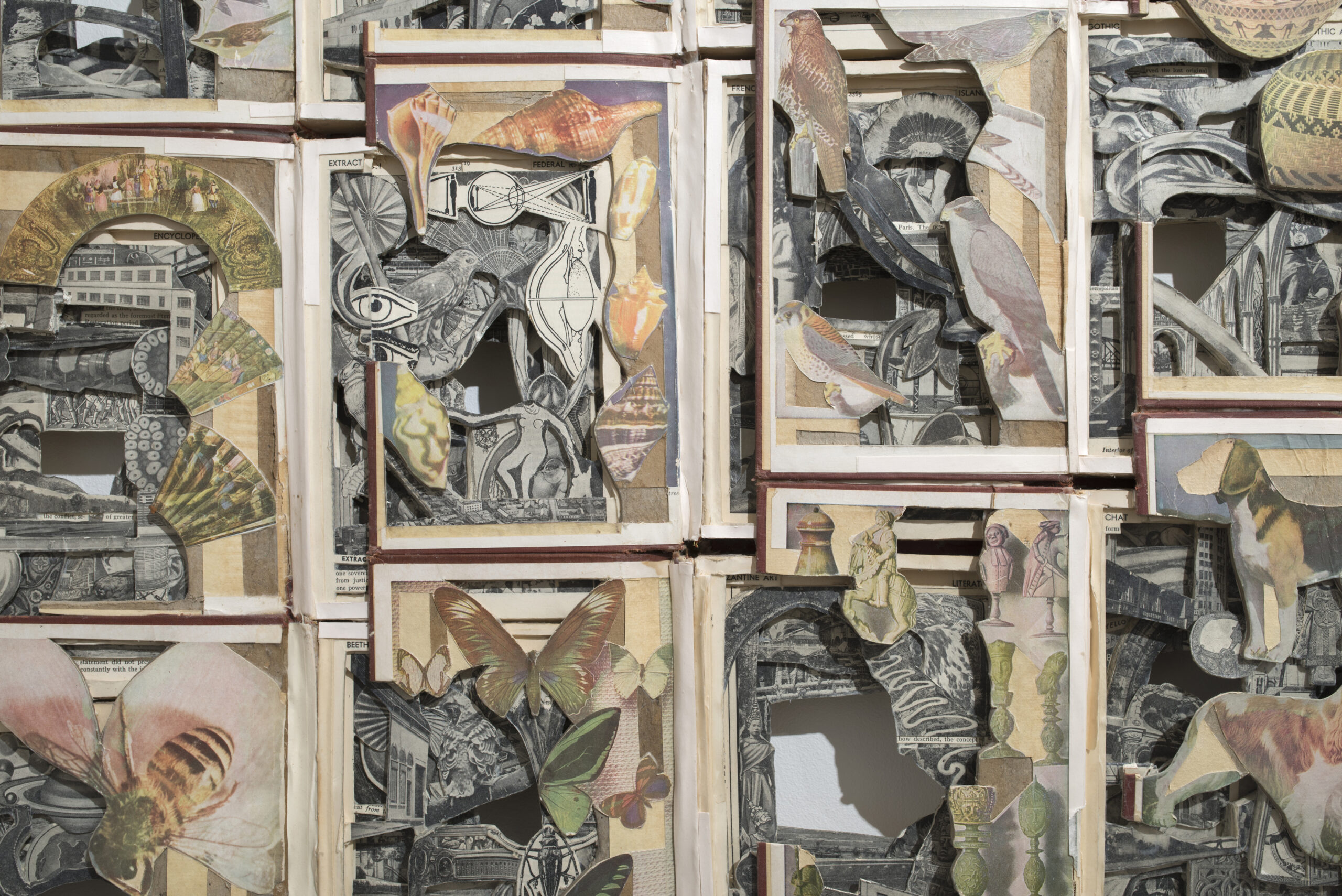
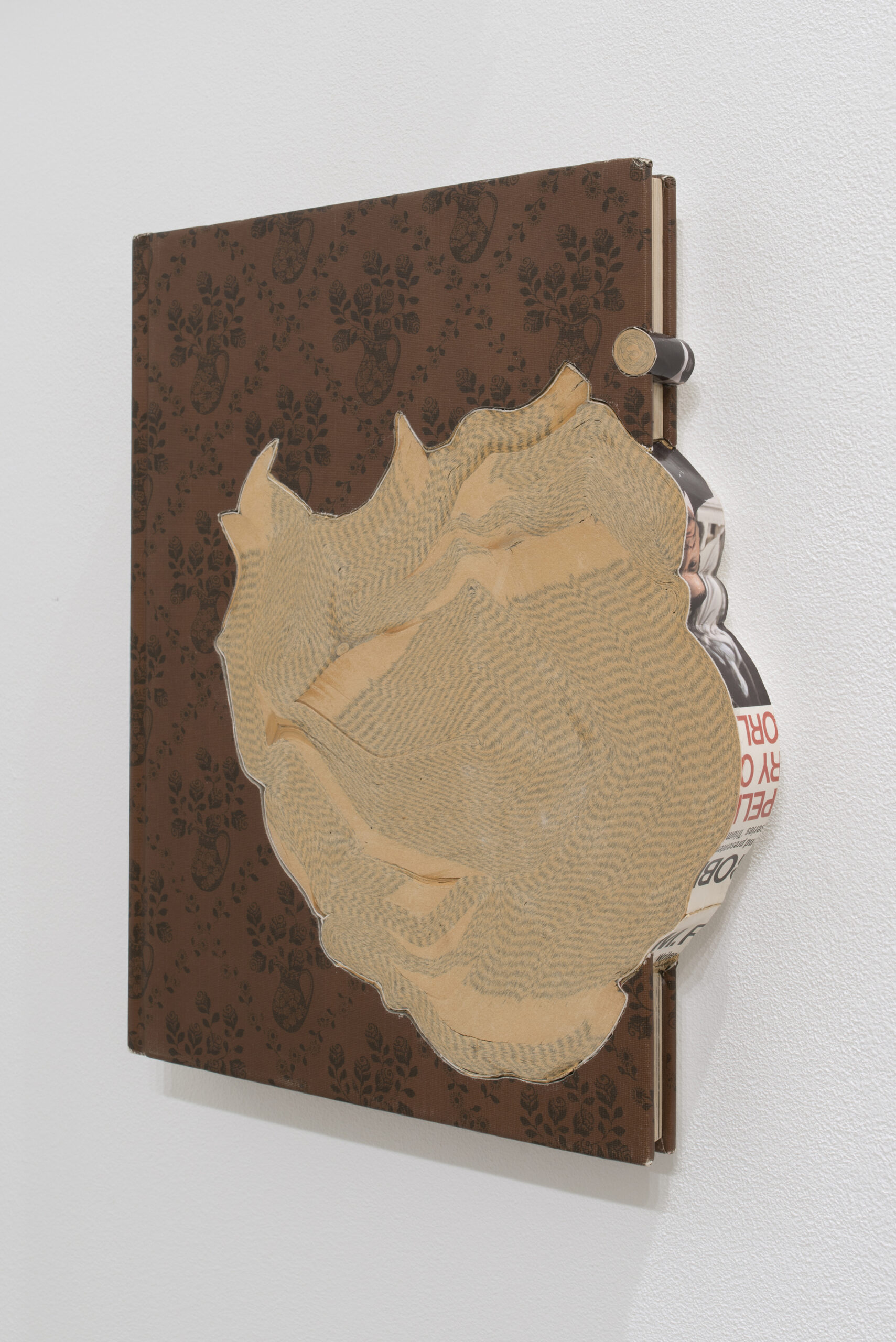
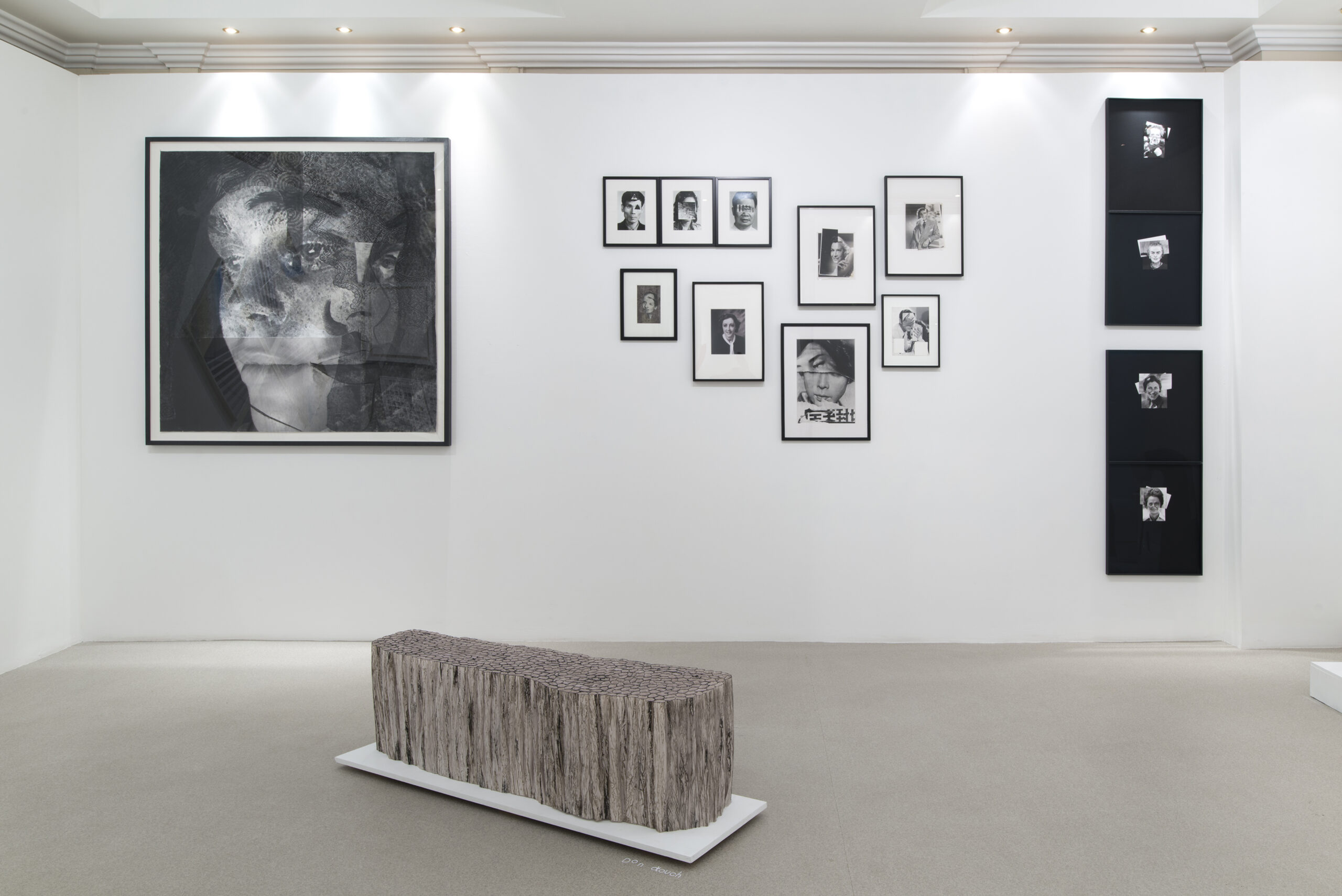
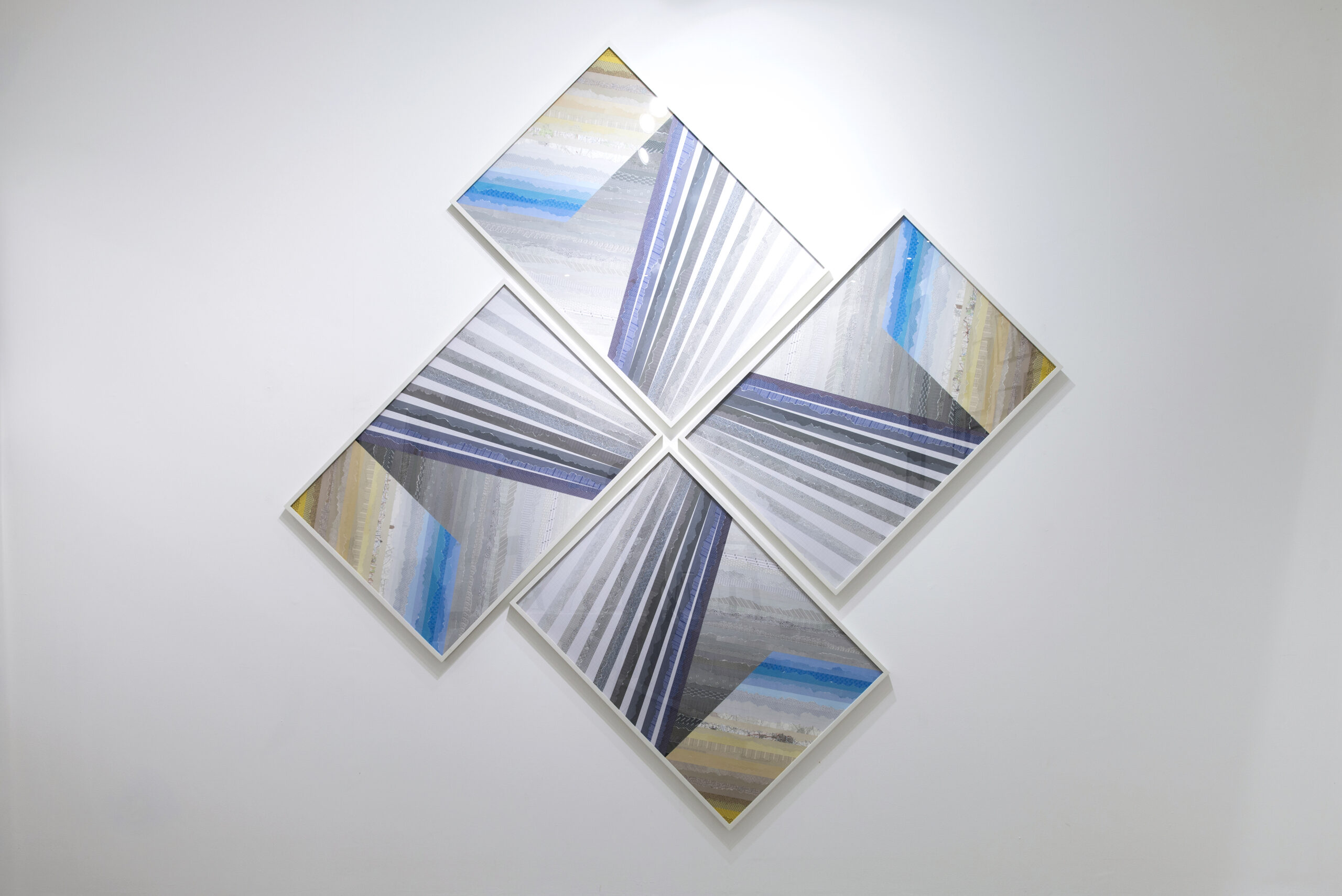
The exhibition offers a clear cut through this plethoric universe, presenting a selection of works on paper. Visitors discover how international artists (Jonathan Callan, Jae Ko, Anish Kapoor, William Klein, Angela Glajcar, Andrea Wolfensberger, Brian Dettmer, Haegue Yang and others) reinvent this everyday, commonplace material into unexpectedly powerful art objects. Collages, sculptures, inscriptions, installations and jewelry are all on display, reminiscent of the collector’s ex-centric personality, but also offering a reflection on the art of diversion. Here, work on paper becomes a realm of detour, where each work plays with our perception as much as our judgments.

© Jonathan Callan, Art around Mythology around Global Strategy, 2014

https://www.youtube.com/watch?v=sqdF3GWSBm0

From October 15, 2021 to March 31, 2022, the Jewish Museum of Belgium presents its new educational project “Caricatured Imagery of Jews throughout History. Outline of an unusual collection”.

Through an overview of the extraordinary collection assembled by Arthur Langerman, an Antwerp-born Belgian born in the middle of the war, it offers a glimpse into the collective madness represented by visual anti-Semitism, a phenomenon that is tracked here across continents and centuries. From pagan and religious anti-Judaism to social and political anti-Semitism, this didactic project presents an original and striking look at the representation of Jews, from the Middle Ages to the present day, and the stereotypes attached to them.

The presentation of multiplex-printed facsimiles includes paintings, engravings, wooden statuettes, photographs, archives, posters and postcards, as well as unusual objects such as beer mugs, kennels, enamel plates, ashtrays and matchboxes. While offering images from all origins, the designers have chosen to focus particularly on “Belgian” illustrations: from the alleged desecration of the hosts in Brussels (1370) to the textile vignettes made by some of the actors at the Aalst Carnival, Belgium is not to be outdone.

The panels are accompanied by objects and archives from the collections of the Jewish Museum of Belgium. A video module, dedicated to the collector Arthur Langerman, reveals his personal story, shedding light on his atypical career and his motivation, driven by the duty of remembrance.

The Jewish Museum of Belgium presents this project as part of its Educational Service, accredited by the “Democracy or Barbarism” department of the Wallonia-Brussels federation. À travers des visites guidées, le service éducatif propose d’interroger l’utilisation de stéréotypes, hier et comme aujourd’hui. Our “Let’s meet a Jew” workshops, in particular the “Myths and Stereotypes” activity, will be offered in conjunction with this educational exhibition, as will the possibility of organizing a meeting with a witness to the Holocaust.

Vous avez entre 12 et 15 ans ? Vous souhaitez découvrir différentes cultures et croyances à Bruxelles ? Alors cette visite est faite pour vous. Le Musée Juif de Belgique se trouve sur ce parcours le jeudi 12 août. Au programme : découverte de soi, initiation au judaïsme, discussion sur les stéréotypes et visite d’une synagogue. Inscrivez-vous sur le site de Axcent.

The exhibition

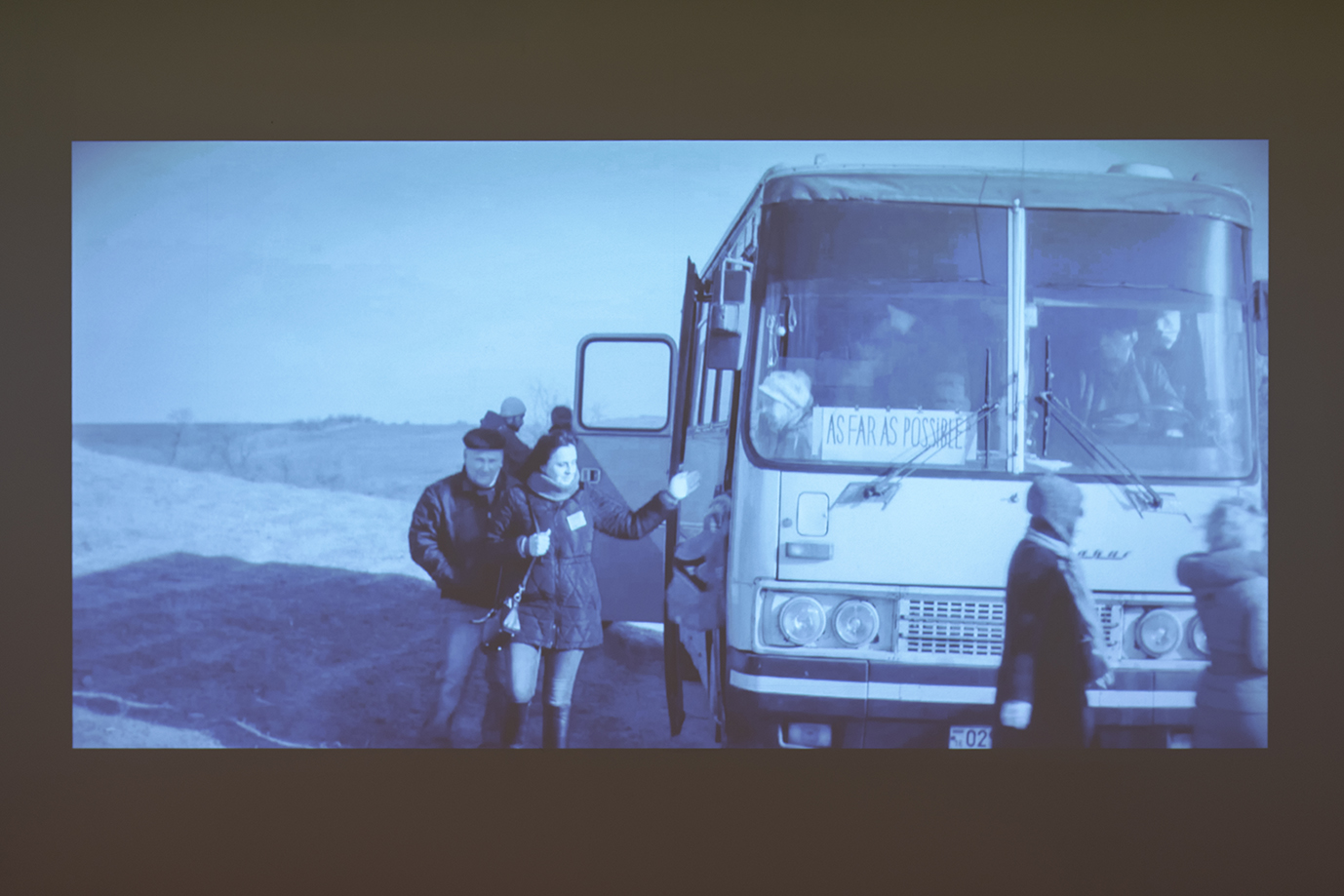
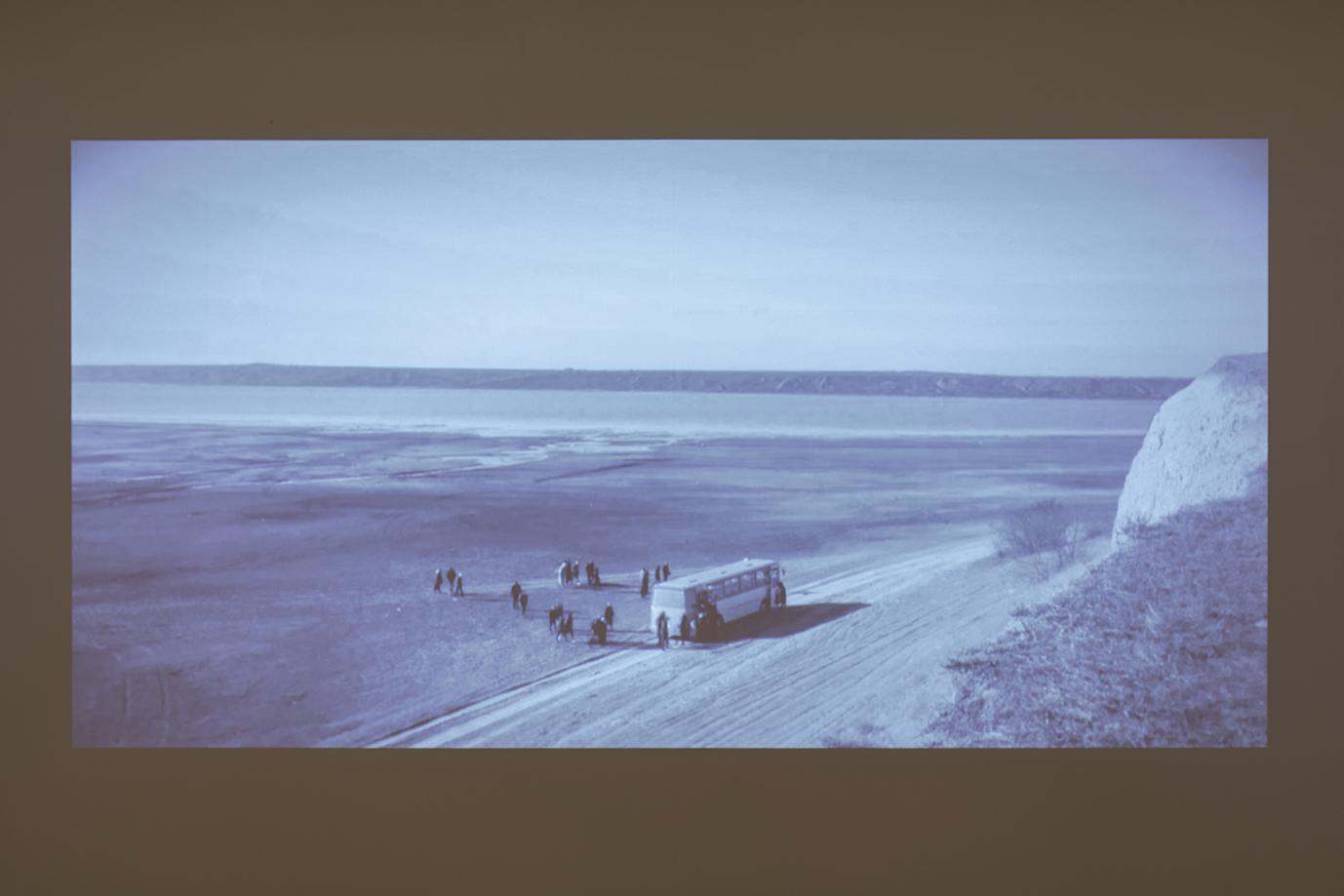
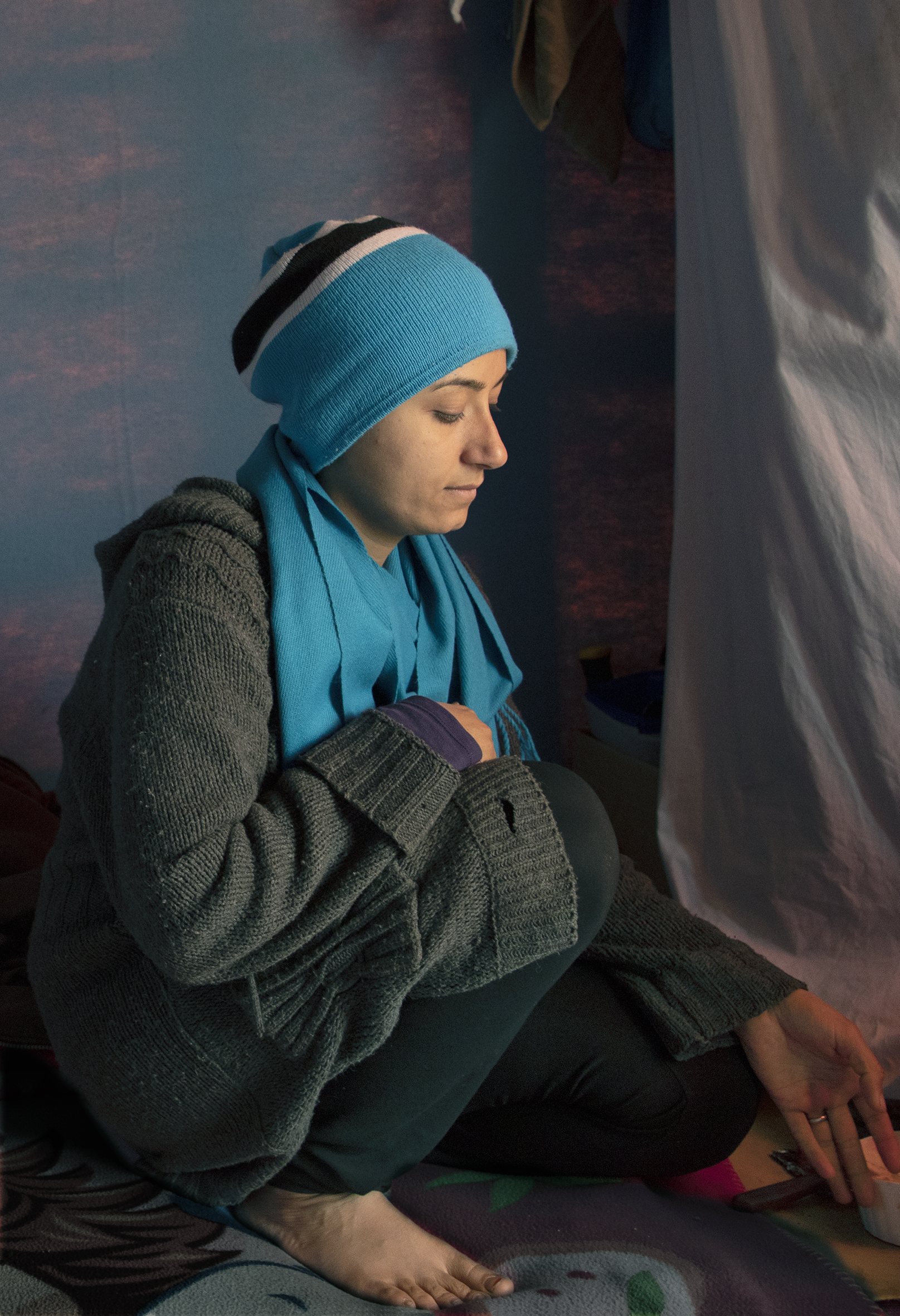
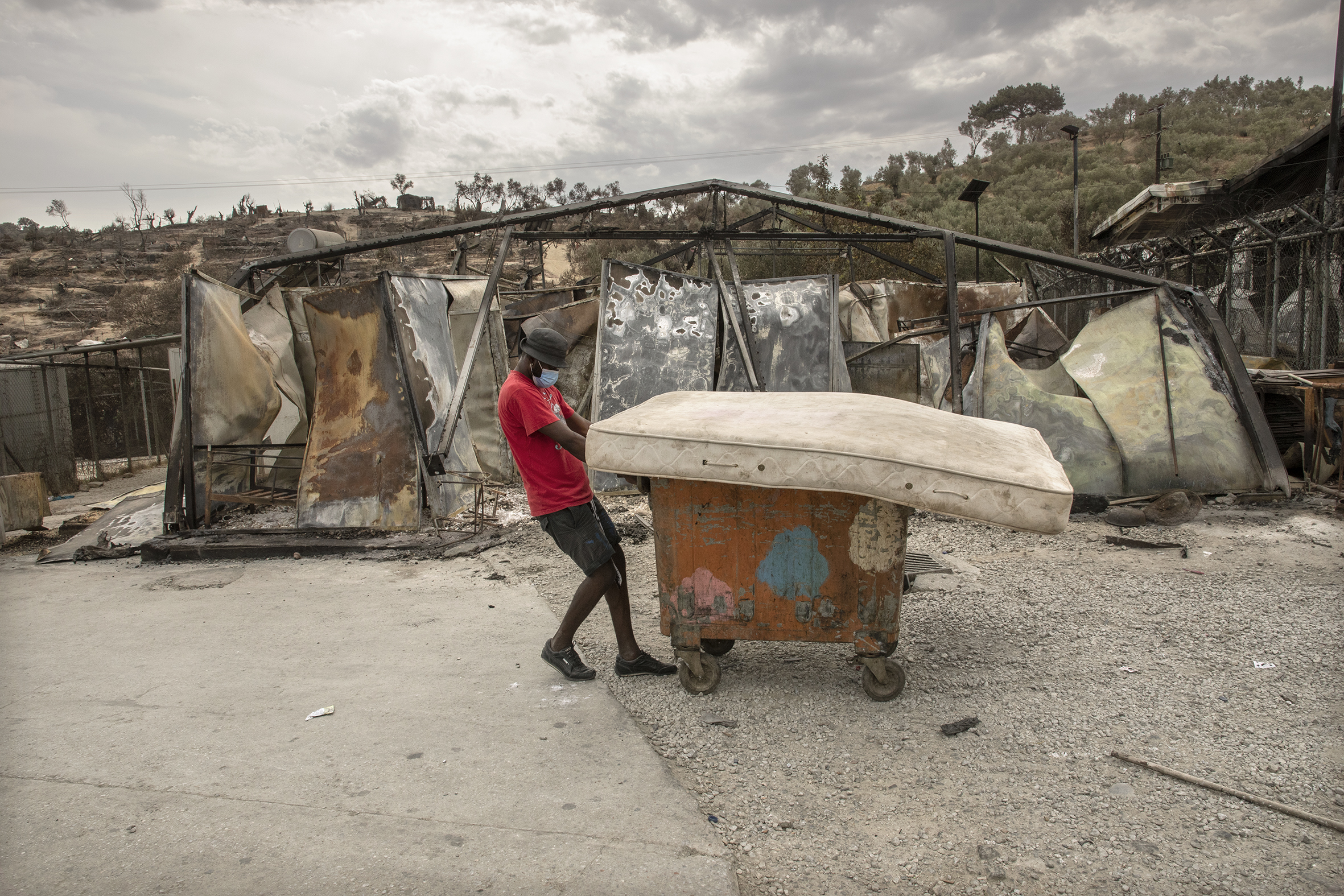
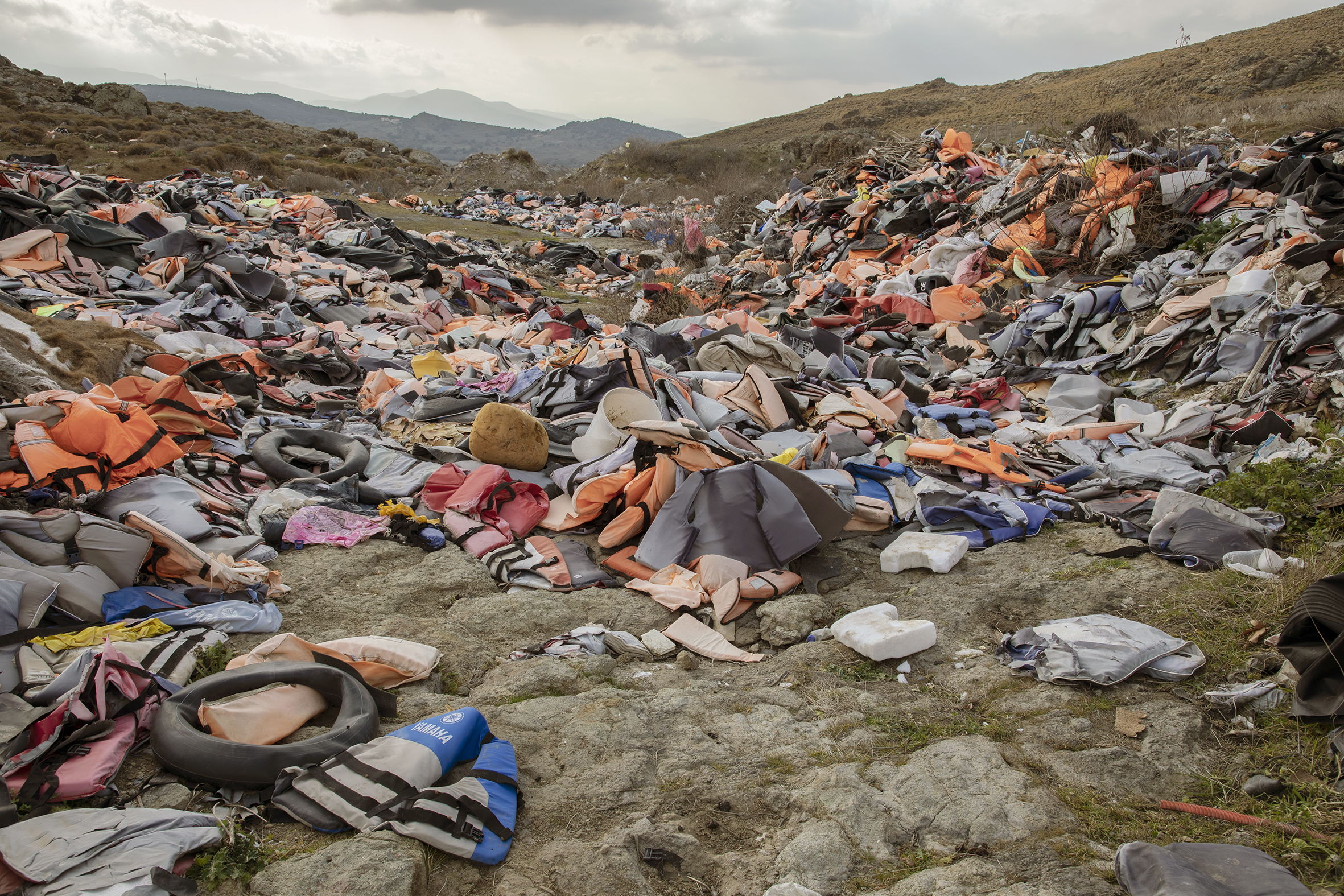
Combining photographs, videos and manuscripts, the exhibition places at its heart a space-time as precise as it is emblematic: the island of Lesbos in the year 2020. Situated in the Aegean Sea, a few kilometers off the Turkish coast, this island experienced a succession of crises in 2020, making it a nodal point in our history and consciousness. It is in this context that the Jewish Museum of Belgium has conceived this exhibition, an original creation that explores themes that reflect the long history of Jewish communities: exile, violence and solidarity.

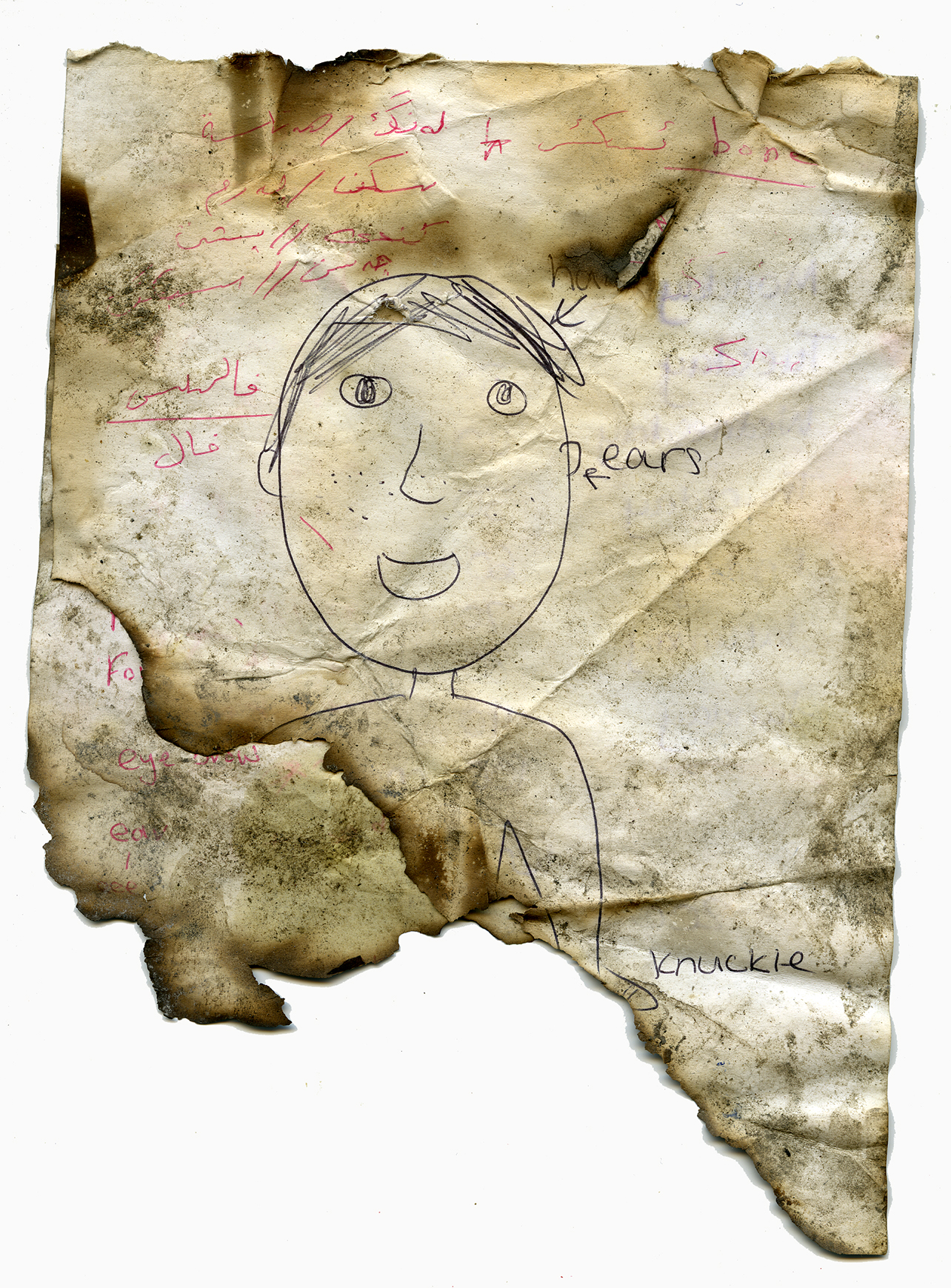
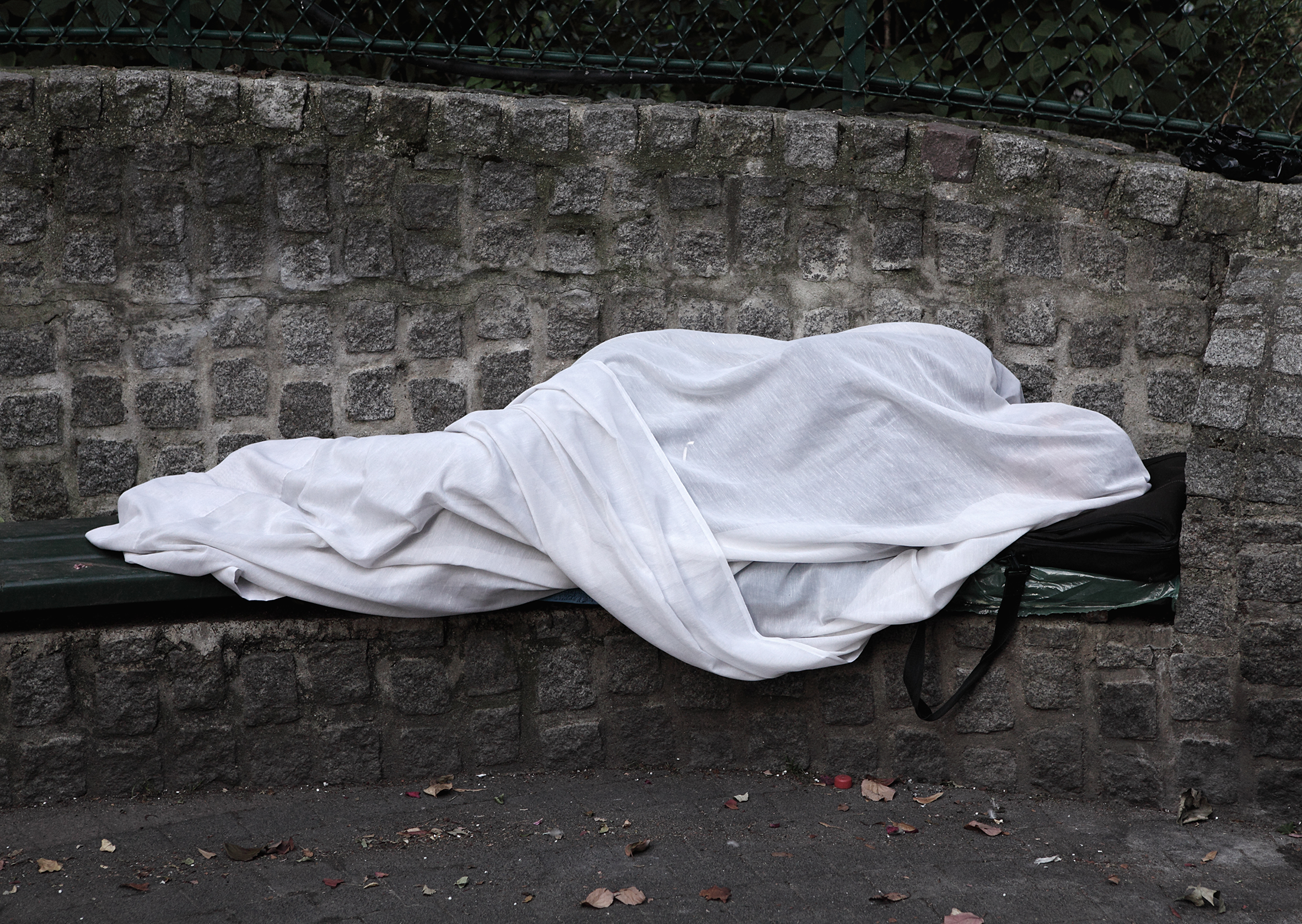
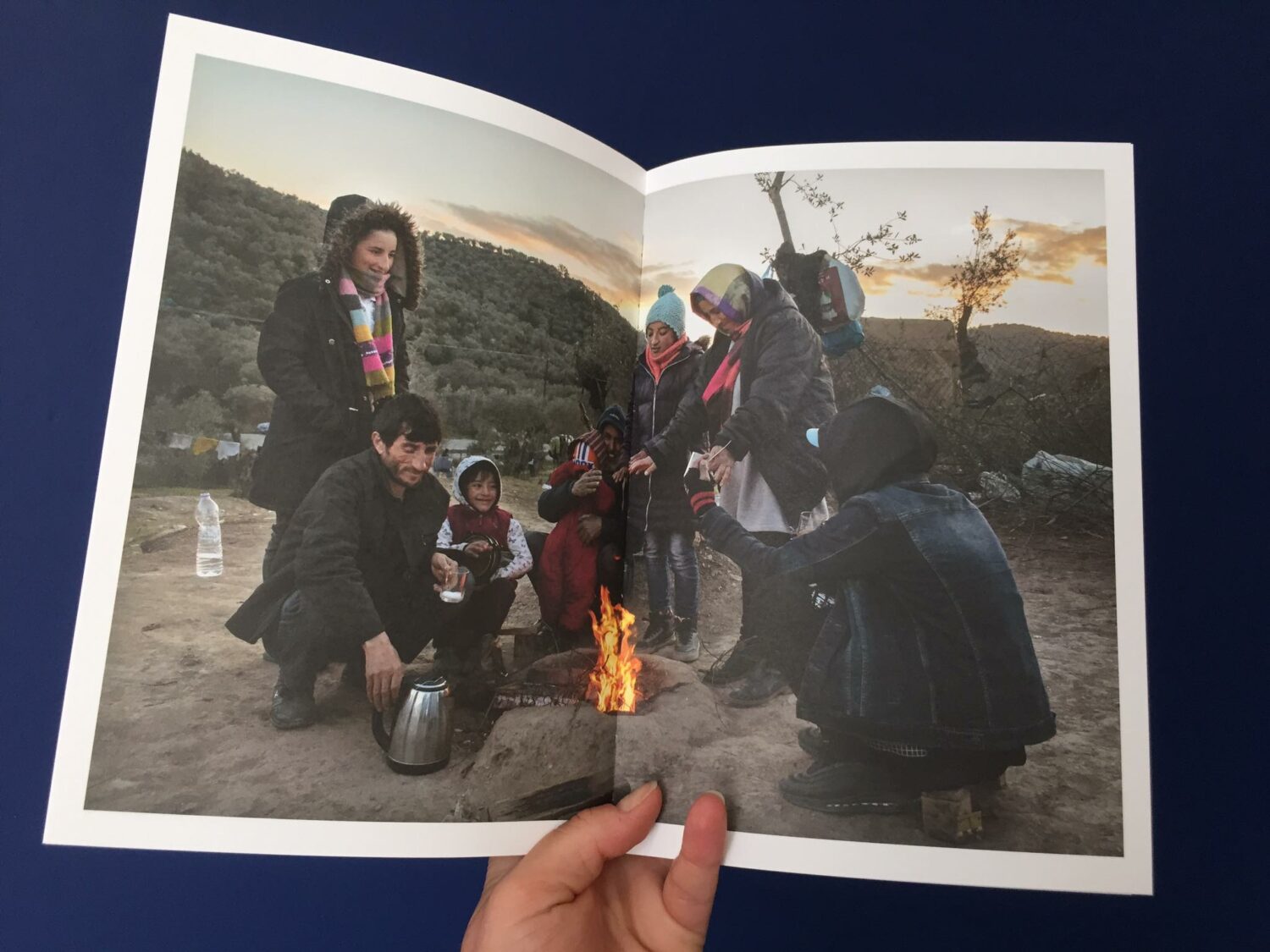
Shown here for the first time, Mathieu Pernot’s work on Lesbos in 2020 is part of a long-term project. For over ten years, the photographer has been tackling the issue of migration and the presence of asylum seekers on the European continent. While the first images reflected the invisibility of these individuals, hidden under sheets in the streets of Paris or chased out of the forest of Calais, the series produced subsequently explore new forms of shared narratives. By collecting texts written in school notebooks or receiving images recorded on their cell phones, the author also acts as a conduit for “other people’s lives”, showing how this life, even before being that of others, is a shared History that must be told together.

Winner of the Prix Cartier-Bresson 2019, Pernot follows the approach of documentary photography, ultimately subverting its protocols. Questioning his own practice, exploring alternative formulas, his work builds what is so often missing: narratives with several voices.

Publication

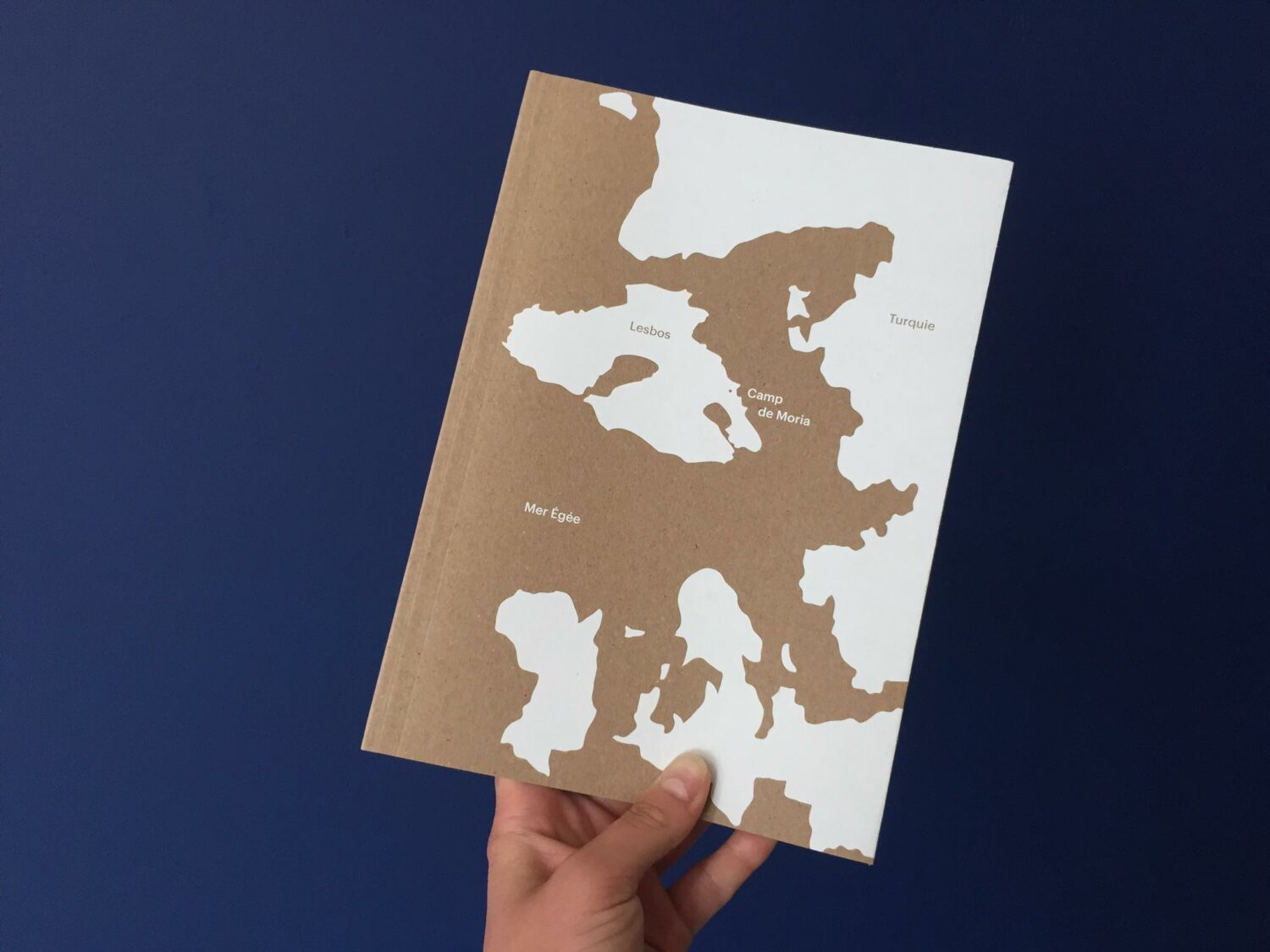
Published by GwinZegal and produced as part of the “Something is Happening” exhibition organized by the Jewish Museum of Belgium, “Something is Happening. Lesbos 2020” is on sale at our museum reception desk.

Coming off the press in May 2021, this book immerses us in Mathieu Pernot’s photographic work with migrants in the Moria camp. In this pictorial narrative, the winner of the 2019 Cartier-Bresson prize takes us, chapter by chapter, “On the path”, “Crossing the footbridge”, “Building a shelter”, “Making a fire”, “Waiting”. The book shifts gears, showing us “What happens” when everything is suddenly destroyed by an act of despair reminiscent of classical tragedy, and all that’s left is to “Save what can be saved” and “Start all over again”.

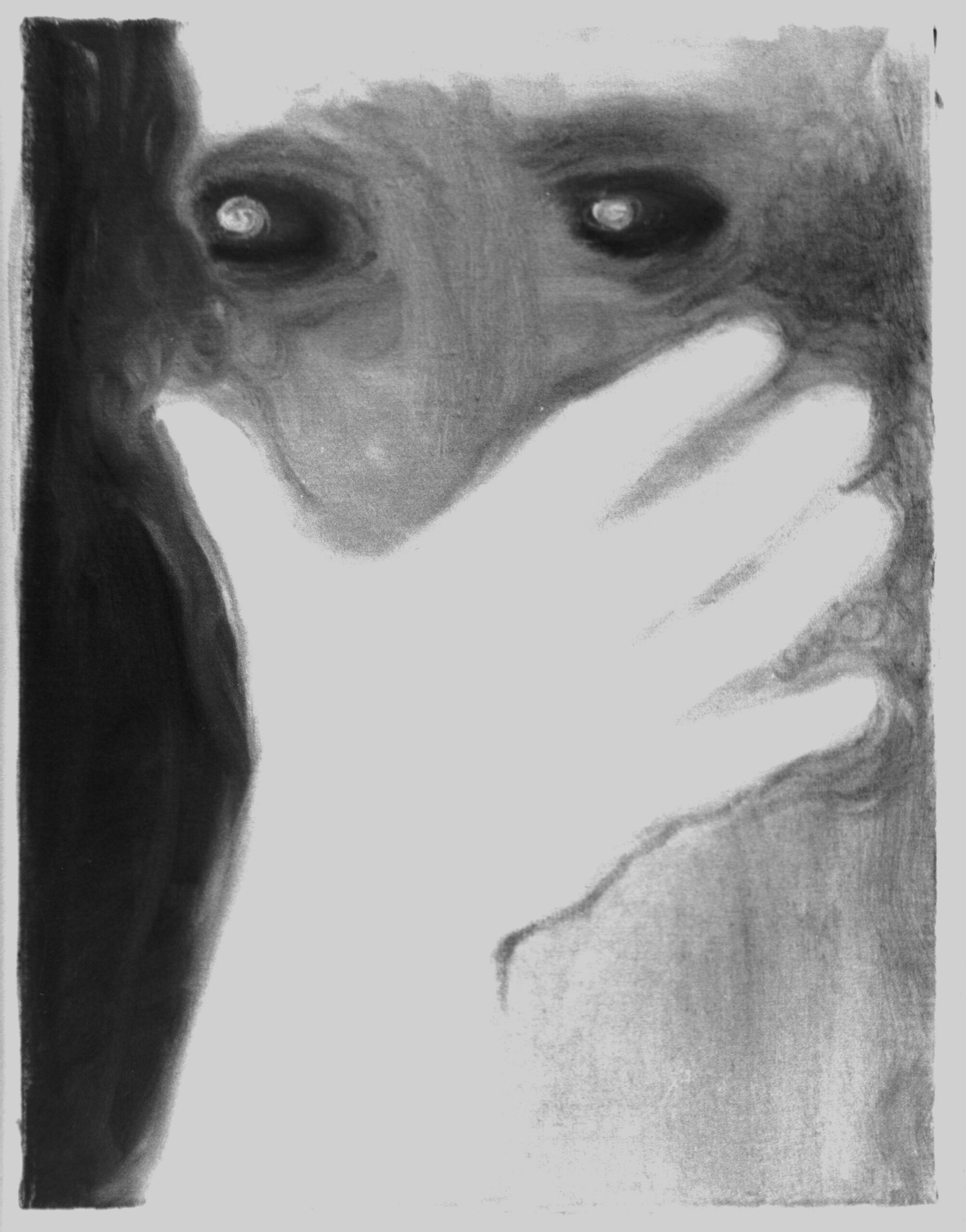
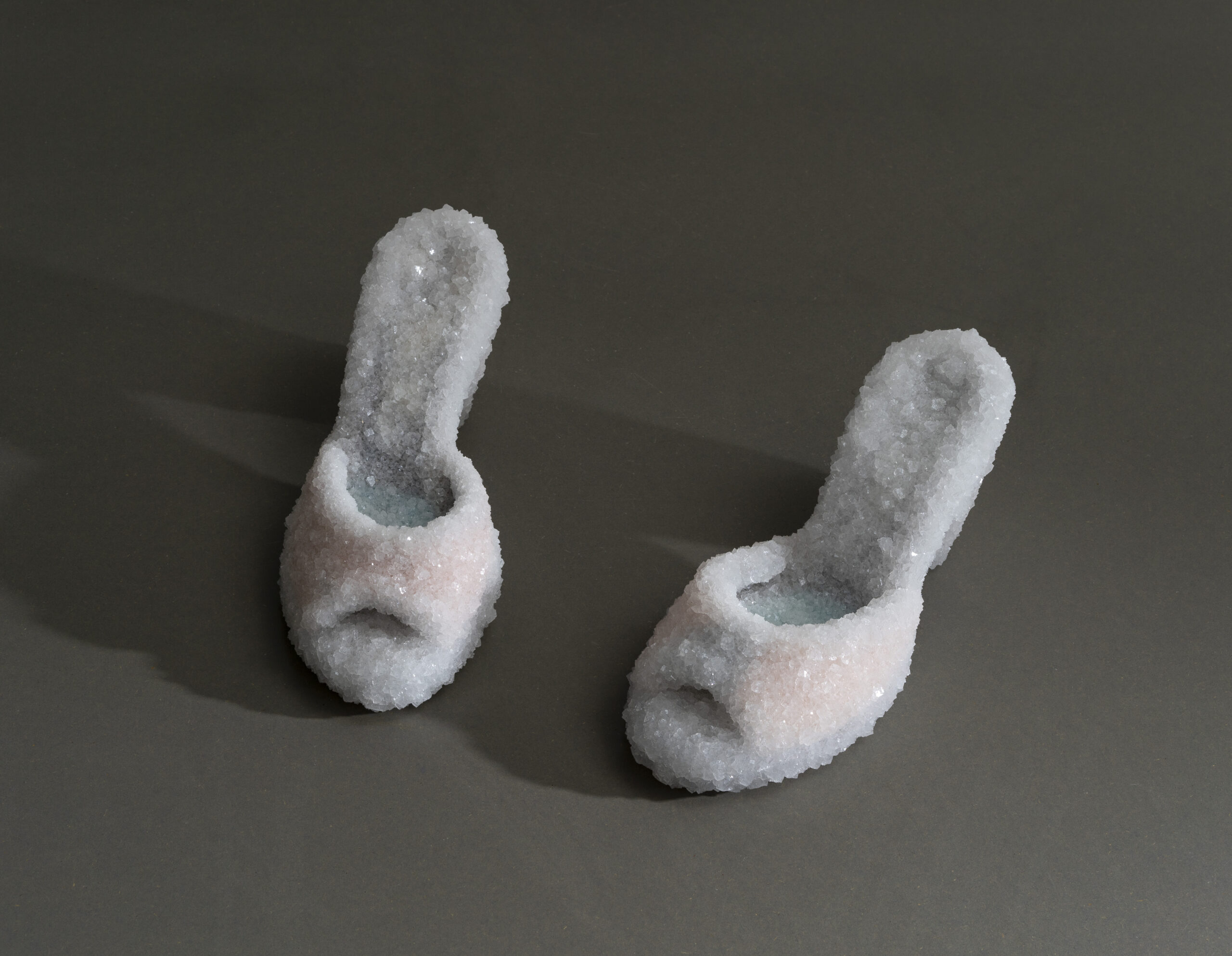
As a prelude to the retrospective of French photographer Mathieu Pernot, from April 30 the Jewish Museum of Belgium presents a group exhibition featuring works by Armando Andrade Tudela, Marianne Berenhaut, Heidi Bucher, Miriam Cahn, Latifa Echakhch, Sigalit Landau, Alina Szapocznikow, Naama Tsabar et Lawrence Weiner.

A project by Eloi Boucher in collaboration with the Jewish Museum of Belgium

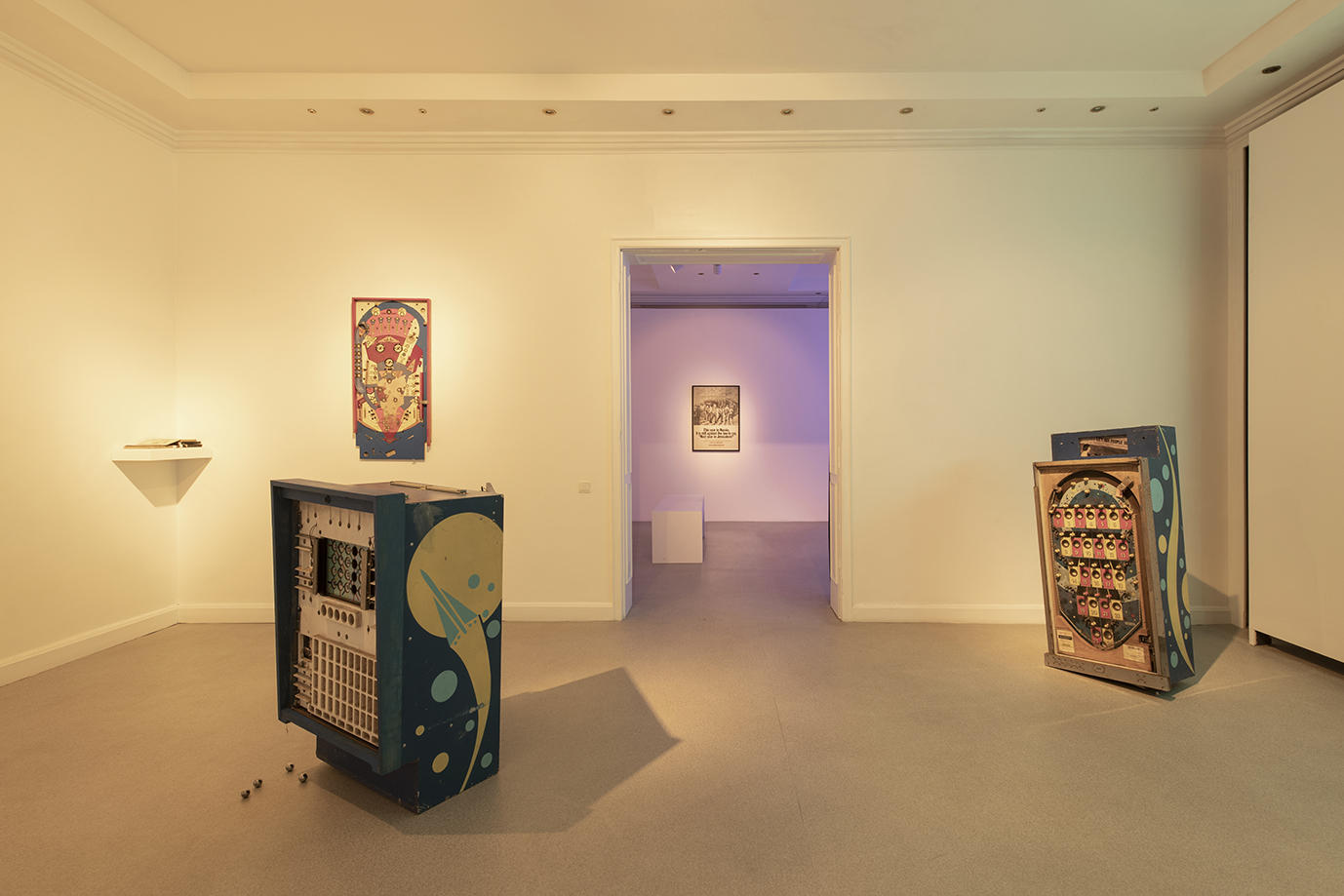
Ellis Island is “that narrow sandbar at the mouth of the Hudson”, an islet facing Manhattan. It was the main point of entry for many communities arriving on American soil between 1892 and 1924. Nearly sixteen million emigrants – mostly from Europe, but also from Arab countries – passed through here, undergoing a series of medical and psychological examinations, as well as a change of identity. Georges Perec, a writer of Polish-Jewish origin, offers us a detailed description of this “non-place” in a text written in 1979. A utopian place where we forget ourselves, where our bodies and identities are transformed, a place where we also leave room for dreams and the hope of a better world.

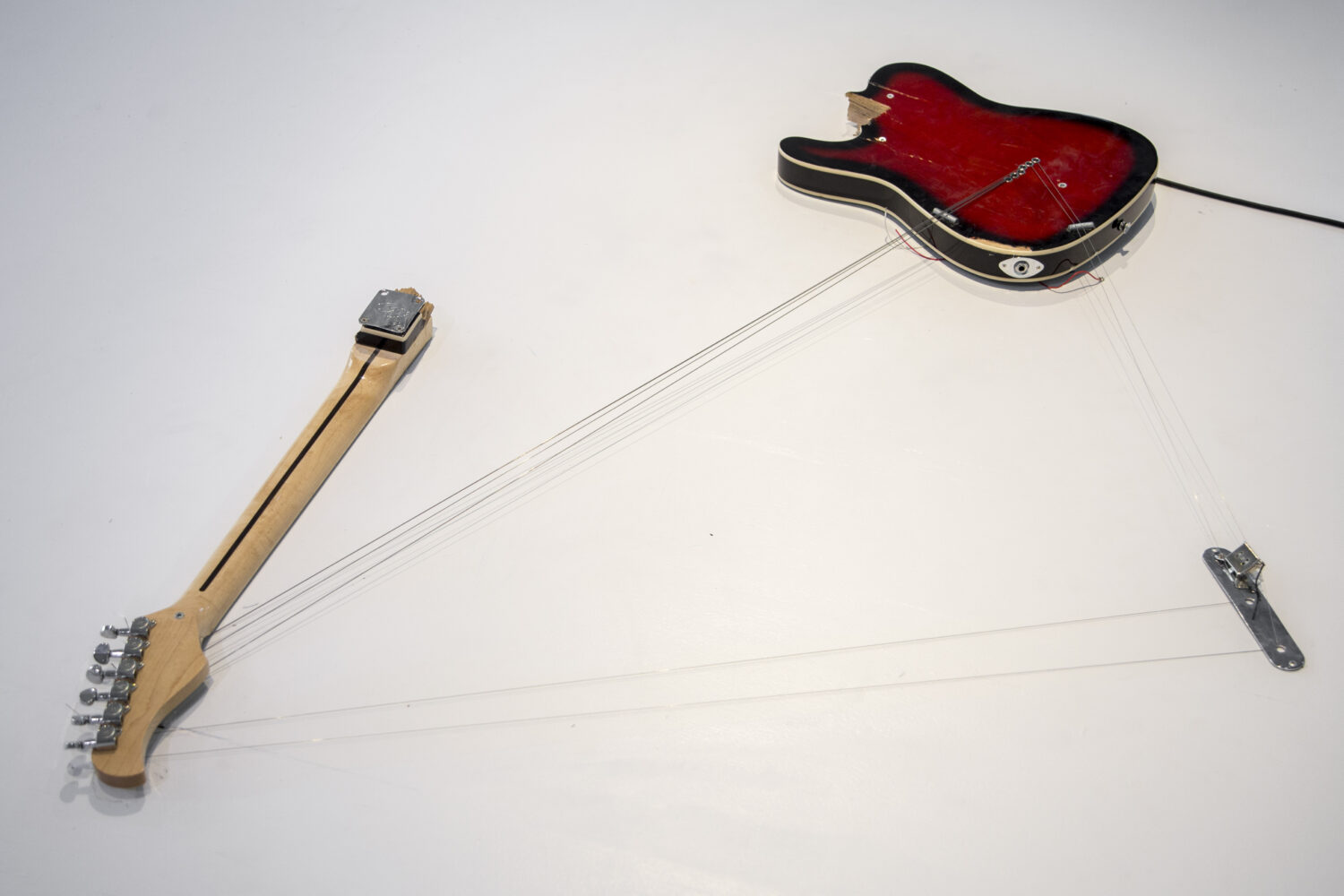
Following on from Perec’s story, the exhibition at the Jewish Museum of Belgium focuses on how contemporary artists deal with the theme of exile, and how they confront the world as a place of dispersion, confinement and wandering. Ellis Island explores uprootedness and emigration as a mental or physical state, but also as a creative “catalyst” where artistic processes of assemblage and fragmentation are brought into play.

Naama Tsabar, Melody of Certain Damage #6, 2018 © Dvir Gallery

Tout comme Golem, les familles et leur bulle sociale sont les bienvenues au Musée pendant les vacances de Pâques. Tous les jours (du mardi au dimanche), de 13h à 17h, un.e de nos guides vous accueillera (30 minutes par bulles familiales) pour partager avec vous ses connaissances et répondre à toutes vos questions.

Réservations obligatoires : frievancamp@mjb-jmb.org  

6 institutions culturelles des Marolles s’unissent pour vous offrir un Pass gratuit !

Le Musée Juif de Belgique s’associe avec 5 autres institutions culturelles des Marolles s’unissent pour vous offrir un Pass gratuit !

Vous habitez, travaillez, étudiez ou avez des enfants scolarisé·es sur le territoire des Marolles? Le Pass Cultuur est fait pour vous! Ce Pass gratuit vous donne droit à des réductions dans six lieux culturels de votre quartier.

Le Musée Juif de Belgique vous propose un tarif de 7€ au lieu de 10€ avec le Pass Cultuur Marolles.

Comment obtenir le Pass?

Complétez le formulaire ici et recevez votre Pass Cultuur directement par email, ou venez le chercher au centre culturel Bruegel.

Qui sont les autres partenaires ?

  • Le Art et marges musée
  • Les Brigittines
  • Le centre culturel Bruegel
  • L’Espace Magh
  • Le Théâtre Les Tanneurs

Plus d’information sur le Pass ici.