[DIGITAL MUSEUM – ARCHIVES] Ryfka Pschetizki & Moses Götz :Writing to Hold on
Discover the moving story of Ryfka (Rosa) Pschetizki through a recently acquired archive collection at the Jewish Museum of Belgium.
Between 1941 and 1942, Moses Götz, detained in Saint-Gilles, wrote to his wife Ryfka two letters a month—the maximum allowed. Censorship required that only everyday topics be mentioned: laundry, food, health… But between the lines, fear, hope, and love shimmer through.
Ryfka never went anywhere without these letters, precious treasures that bear witness to quiet resistance in the face of horror. After Moses was deported to Auschwitz, these writings remained the last tangible links to their shattered family.
These letters and documents (membership cards, registers, declarations) tell the story of a war experienced daily—filled with care for loved ones, survival strategies, and a memory held dear.
Discover this story in our new video.
From the archives: 1. Ryfka Pschetizki & Moses Abraham Götz in the snow, Antwerp, 1935. 2–3. Letters Moses wrote to Ryfka from Saint-Gilles prison in 1942, later restored and bound by their granddaughter (2012). 2. Envelope of the letter dated April 23, 1942. 3. 1957 statement on Moses’s 1941 arrest for “illegal activities against the Germans.” 4. Ryfka’s membership card of the Association of Jewish Political Prisoners, 1945. 5. Civil Registry extract confirming Moses’s death in 1945 (issued in 1954). 6. Ryfka & Moses in the grass, Ostend, 1938.
Closing of the exhibition ‘THERE IS A CRACK IN EVERYTHING’
On 14 December, the Jewish Museum of Belgium invites you to the finissage of the exhibition There Is A Crack in Everything‘. From 2pm to 6pm, explore the exhibition through guided tours led by the curators, encounters with the artists, and unique performances. A final opportunity to experience the exhibition differently, and to bid farewell to the building before its transformation.
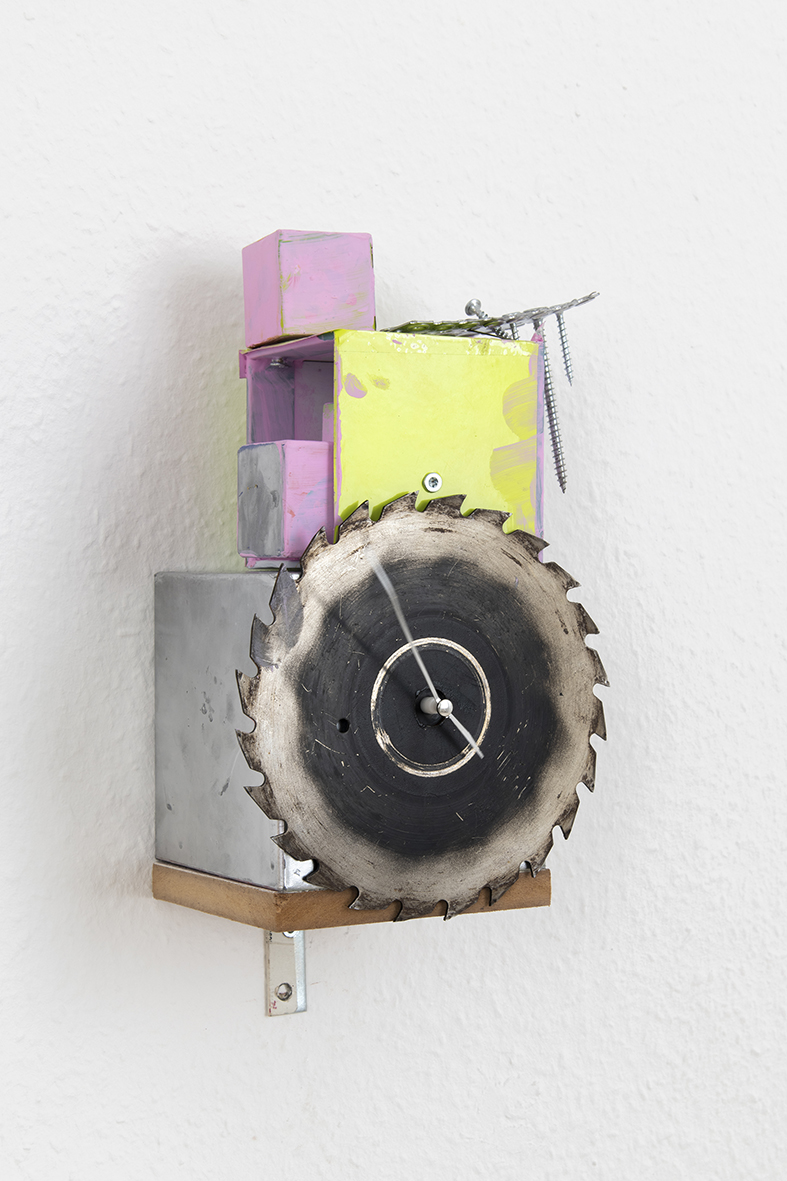
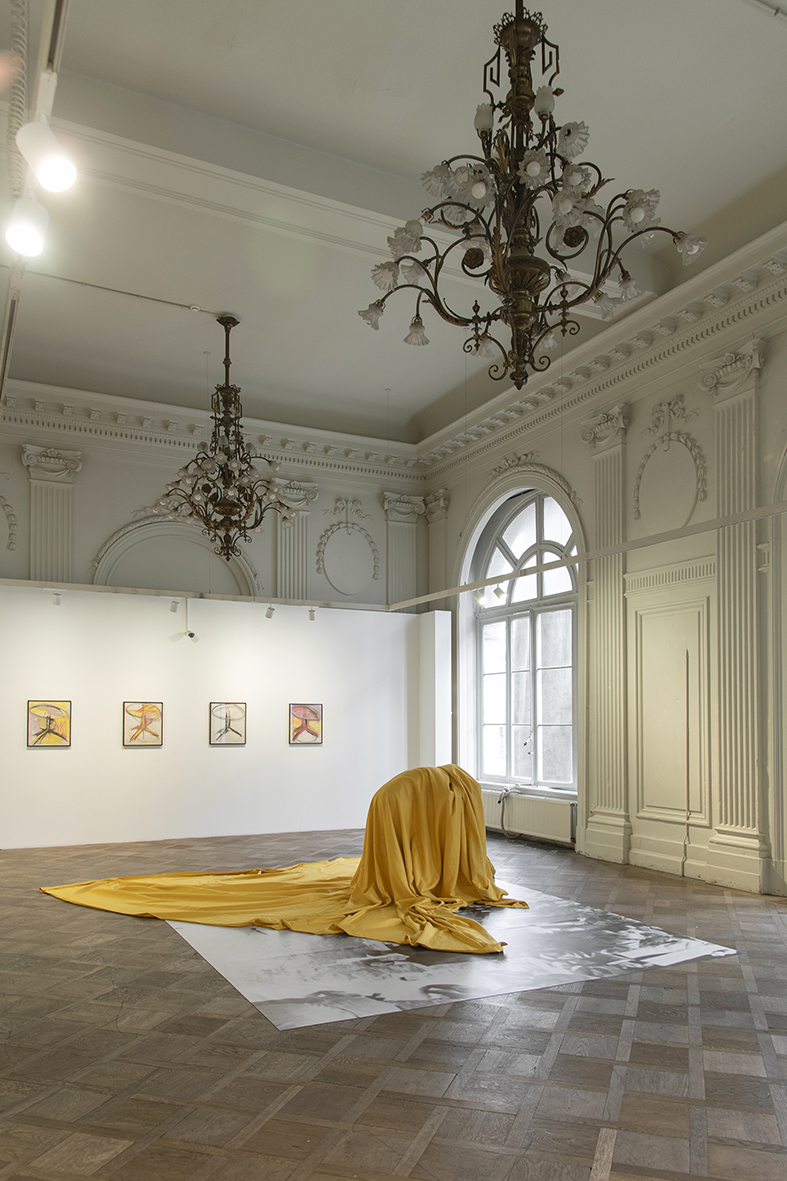
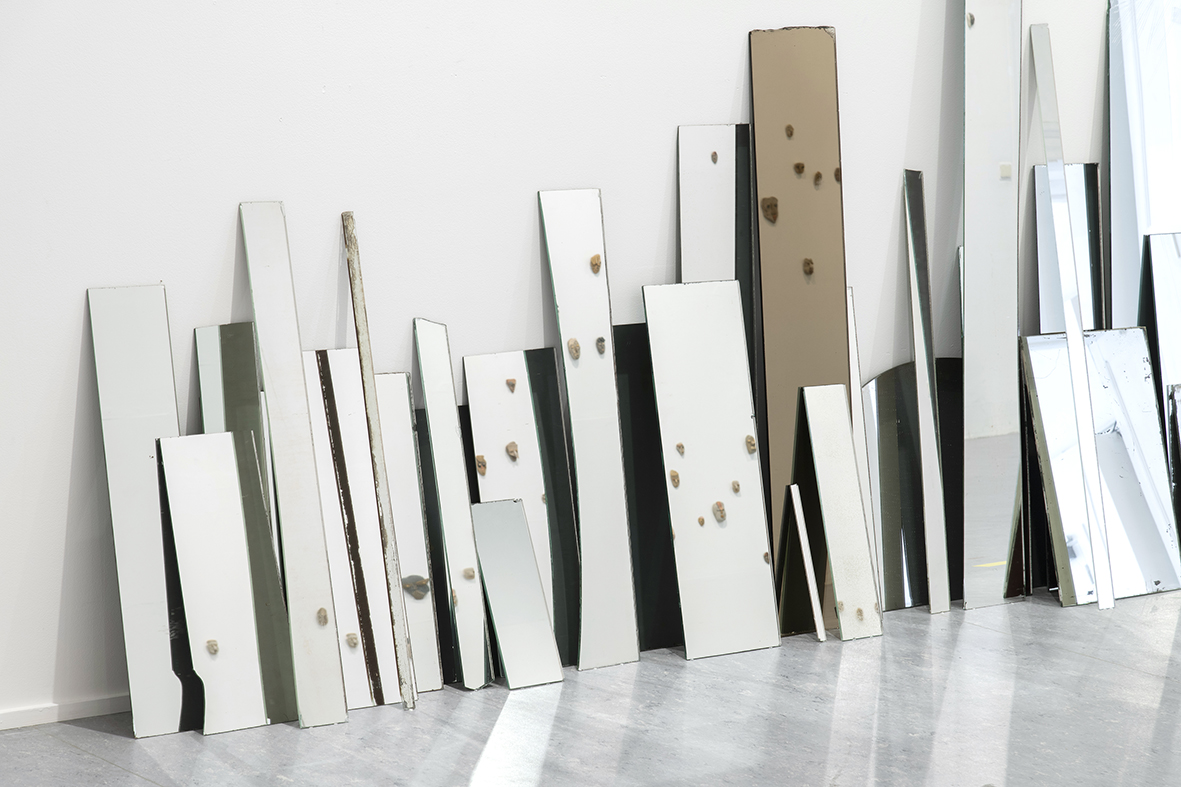
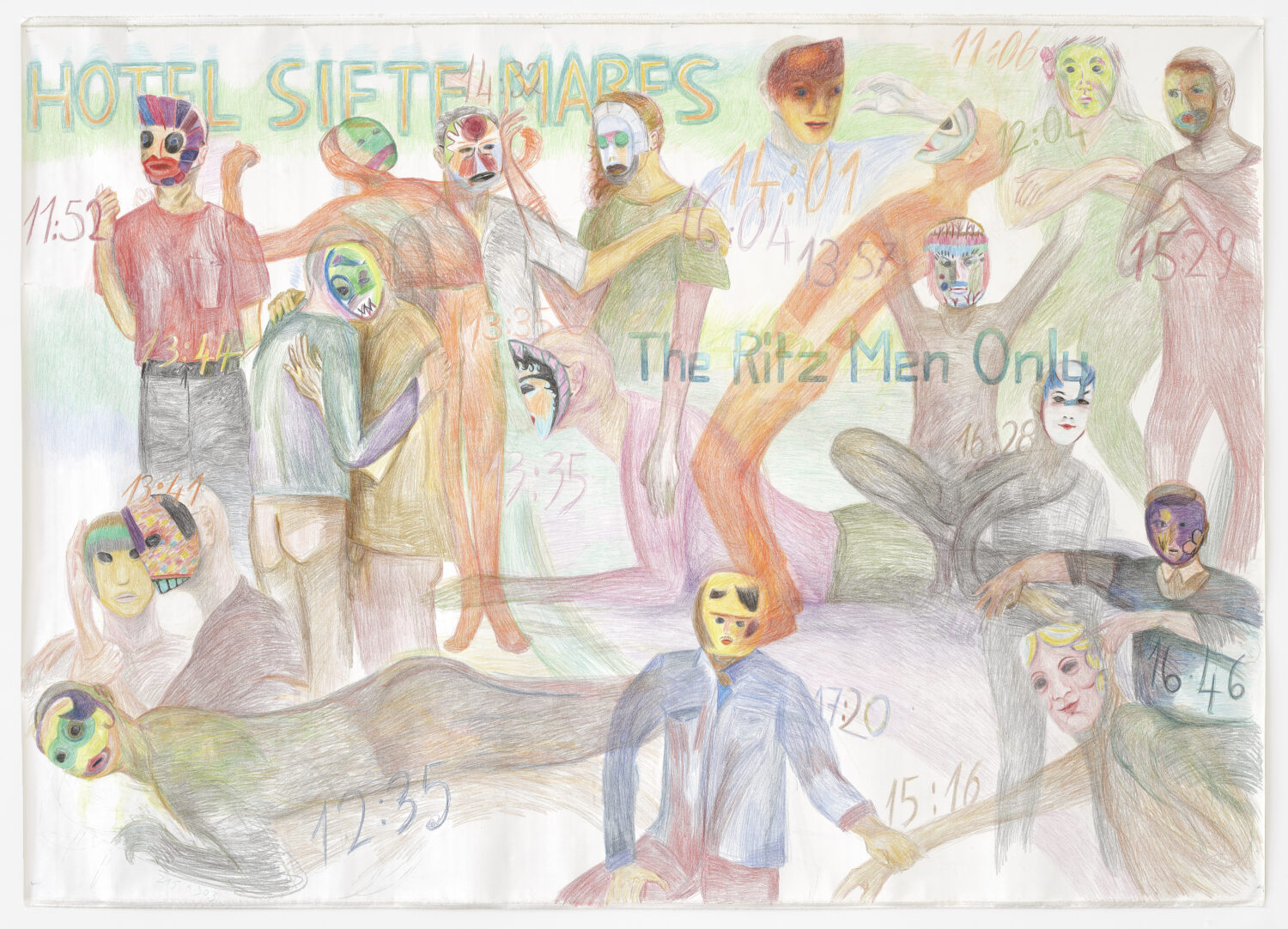
There Is a Crack in Everything brings together twenty-eight international artists whose practices intertwine emotion and form with questions of belonging, identity and memory. Just months before its demolition and complete renovation, the museum is at a pivotal moment. Its emptied rooms become spaces of anticipation and transformation, where the exhibition unfolds as an open conversation between artists. Their works question and shift our ways of inhabiting the world and relating to others.
The exhibition concludes as it began, with the presence of Prinz Gholam, who return to the museum to present You Never See Yourself, a proposition in which improvisation, bodily memory and ephemeral gesture interlace.
Programme 2:00pm Doors open 2:00–6:00pm Culinary performance by Michelle Woods and Hélène Bedouet (ongoing)
2:30–3:00pm Conversation with Barbara Cuglietta and Martin Germann 3:00–3:30pm Reading and discussion with Ethan Assouline 3:30–4:00pm Reading and discussion with Alma Feldhandler 4:00–4:30pm Meeting with mountaincutters 4:30–5:00pm Reading and discussion with Yann Chateigné Tytelman 5:00–5:30pm Performance by Prinz Gholam 6:00pm Doors close
With the support of the German Embassy in Brussels.
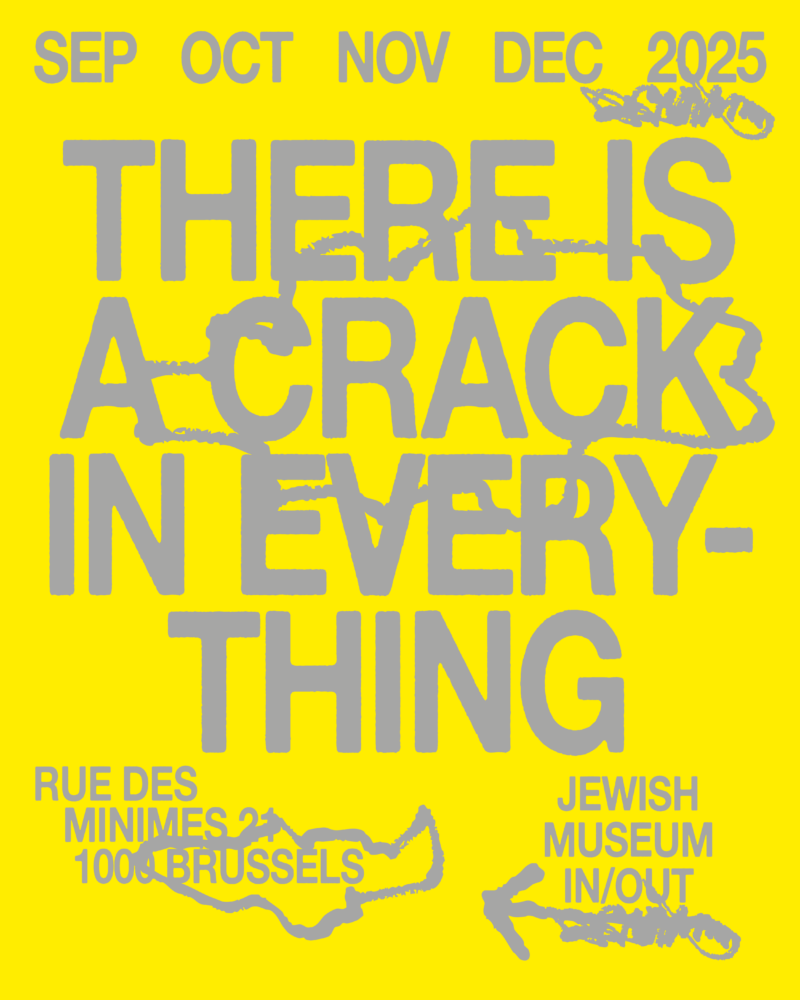
There Is a Crack in Everything — 5.09 – 14.12.25
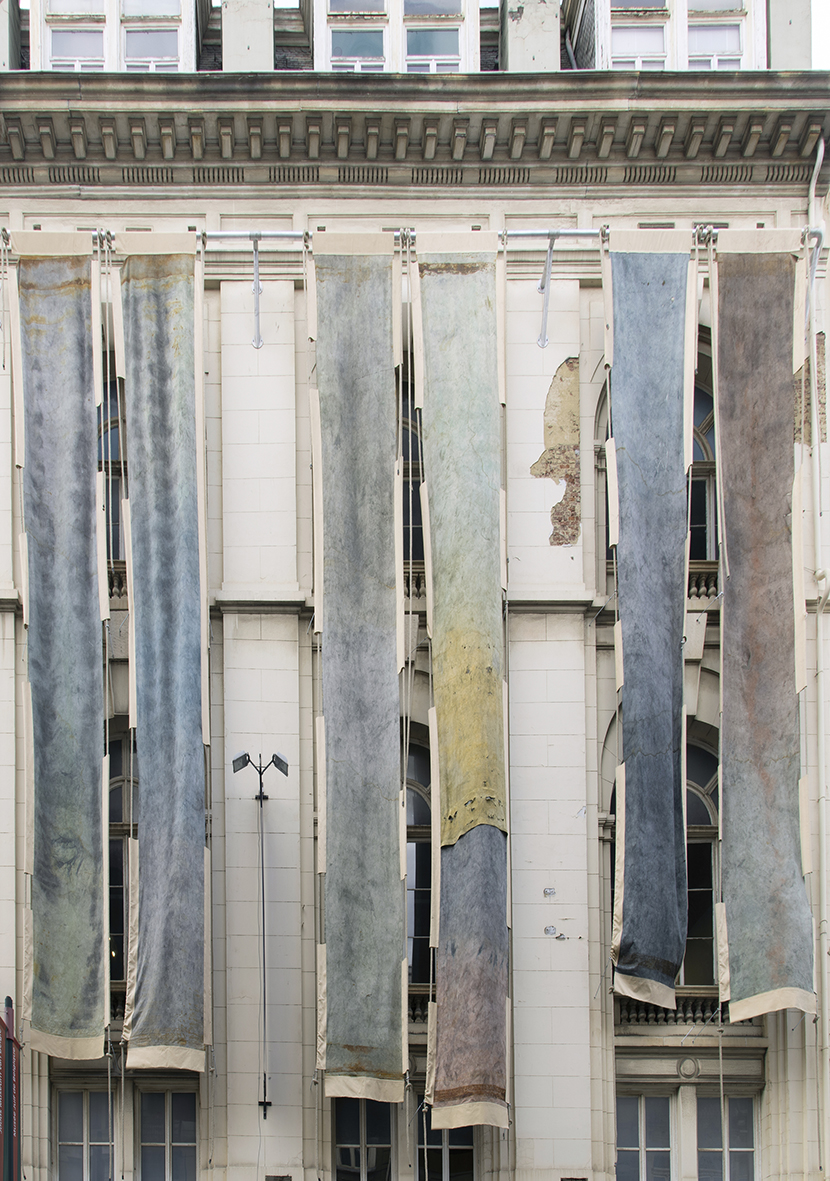
There Is a Crack in Everything brings together more than twenty-five international artists whose practices intertwine emotion and form with questions of belonging, identity, and memory. From visible violence to imposed silences, from damages to life to the vulnerability of surrounding environments, these artists explore the human condition in its tensions as well as its possibilities, transforming these realities into imaginings of resistance, displacement, and reinvention.
A few months before its demolition and complete renovation, the Jewish Museum of Belgium finds itself at a turning point. Its empty rooms become spaces of waiting and transformation, where the exhibition unfolds as a conversation between artists whose works challenge, displace, or reshape ideas about living together. Acting as a palimpsest, the building—at times a private house, a German school, a military prison, a warehouse for musical instruments, and finally a museum—becomes a metaphor for a world in reconfiguration, where the present can never fully escape the past.
Through the sobriety of their materials and installations, the presented artworks highlight the strength of fragile traces and the precision of meticulous gestures that bring meaning and presence. Each room becomes a sensitive laboratory: absence turns into language, and indeterminacy becomes material for creation. The artists offer no ready-made paths, nor immediate consolation, but rather invite us to inhabit difference with lucidity and care. The exhibition asserts that fragility is not a deficiency but a resource, reflecting the shared condition of all cultural institutions today.
The title of the exhibition, borrowed from Leonard Cohen—There’s a crack in everything, that’s how the light gets in—reminds us that every fracture carries within it both destruction and light: it suggests new ways of being in the world and relating to what surrounds us.
***
A project of the Jewish Museum In/Out, led by its director Barbara Cuglietta, in collaboration with guest curator Martin Germann.
With Aaron Amar Bhamra, Adrien Vescovi, Akane Saijo, Alma Feldhandler, Ari Benjamin Meyers, Christiane Blattmann, Edith Dekyndt, Ethan Assouline, Gustav Metzger, Jean Katambayi Mukendi, Jochen Lempert, John Giorno, Kanitha Tith, Marianne Berenhaut, Mariko Matsushita, Michael Van den Abeele, Mira Mann, Mire Lee, mountaincutters, Oototol, Pélagie Gbaguidi, Prinz Gholam, Raha Raissnia, Richard Moszkowicz, Stéphane Mandelbaum, Wei Libo, Yalda Afsah, Yuyan Wang.
With the support of the Wallonia-Brussels Federation, the City of Brussels, the Brussels-Capital Region, the COCOF, the National Lottery and the Casa de Velázquez.
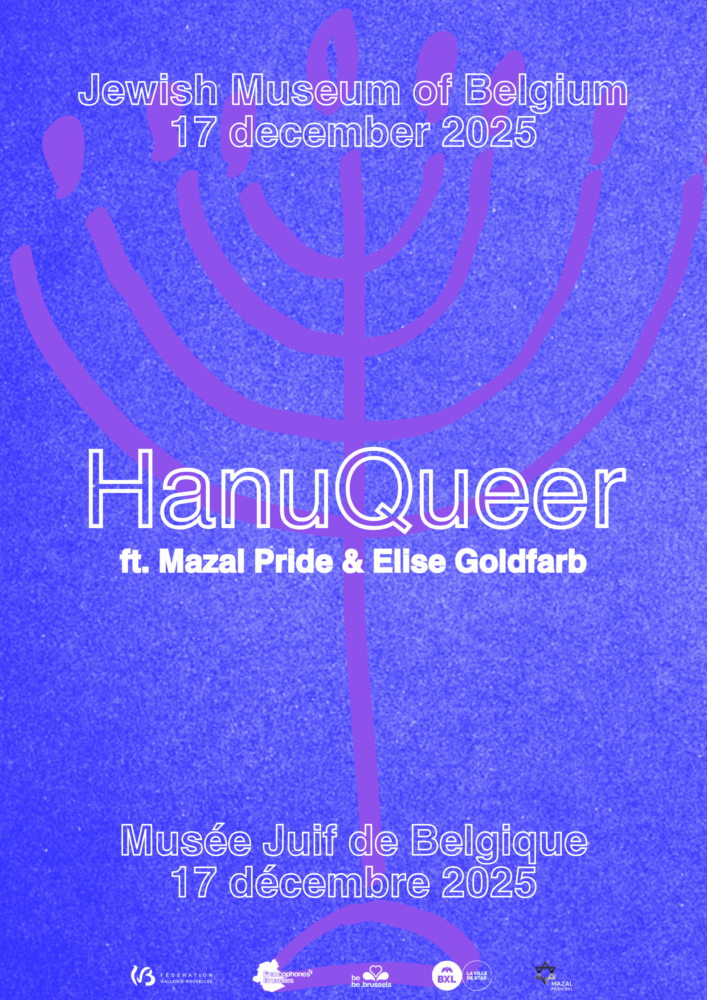
HanuQueer – Inclusive Hanukkah Celebration – December 17 from 7 p.m. to 10 p.m.
HanuQueer is a cultural and inclusive event organized by the Jewish Museum of Belgium in partnership with the Mazal Pride association. This event is open to everyone: members of the Jewish community, allies, families, friends, and anyone who is curious. It offers a warm and welcoming space where Jewish culture, dialogue, and LGBTQIA+ pride come together.
Evening program:
Talk and discussion with Élise Goldfarb
Lighting of the Hanukkah candles
Latkes and sufganiyot
Visit of a mini-exhibition featuring Hanukkah-related objects from the museum’s collections
Traditional Hanukkah songs, followed by a collective musical moment
Date: Wednesday, December 17, 2025 Time: From 7 PM to 10 PM Location: Jewish Museum of Belgium Tickets: Adult €8.00 — Students and children: free
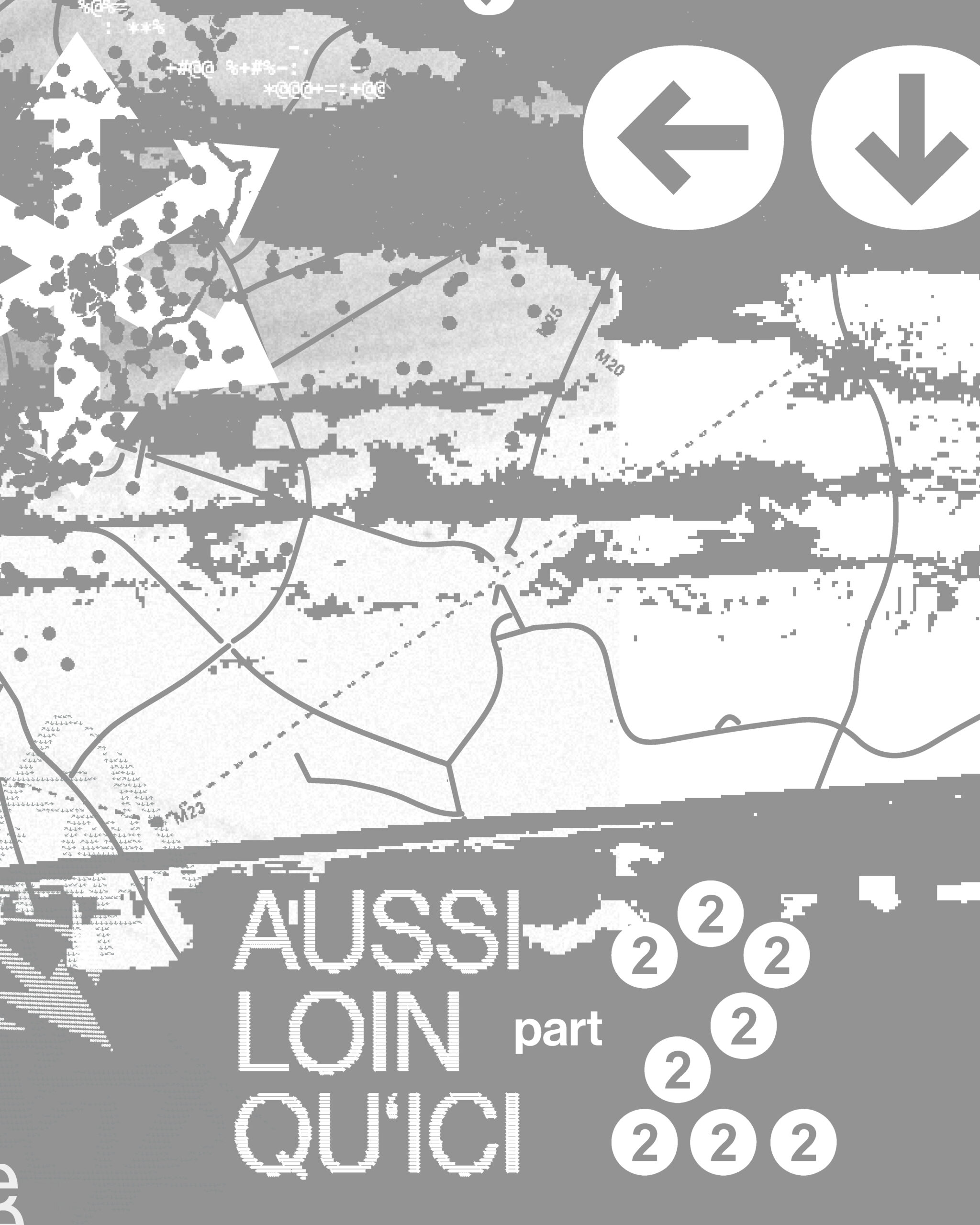
The Jewish Museum of Belgium is setting up at the Art et Marges Museum with the exhibition “Aussi loin qu’ici” (As Far as Here).
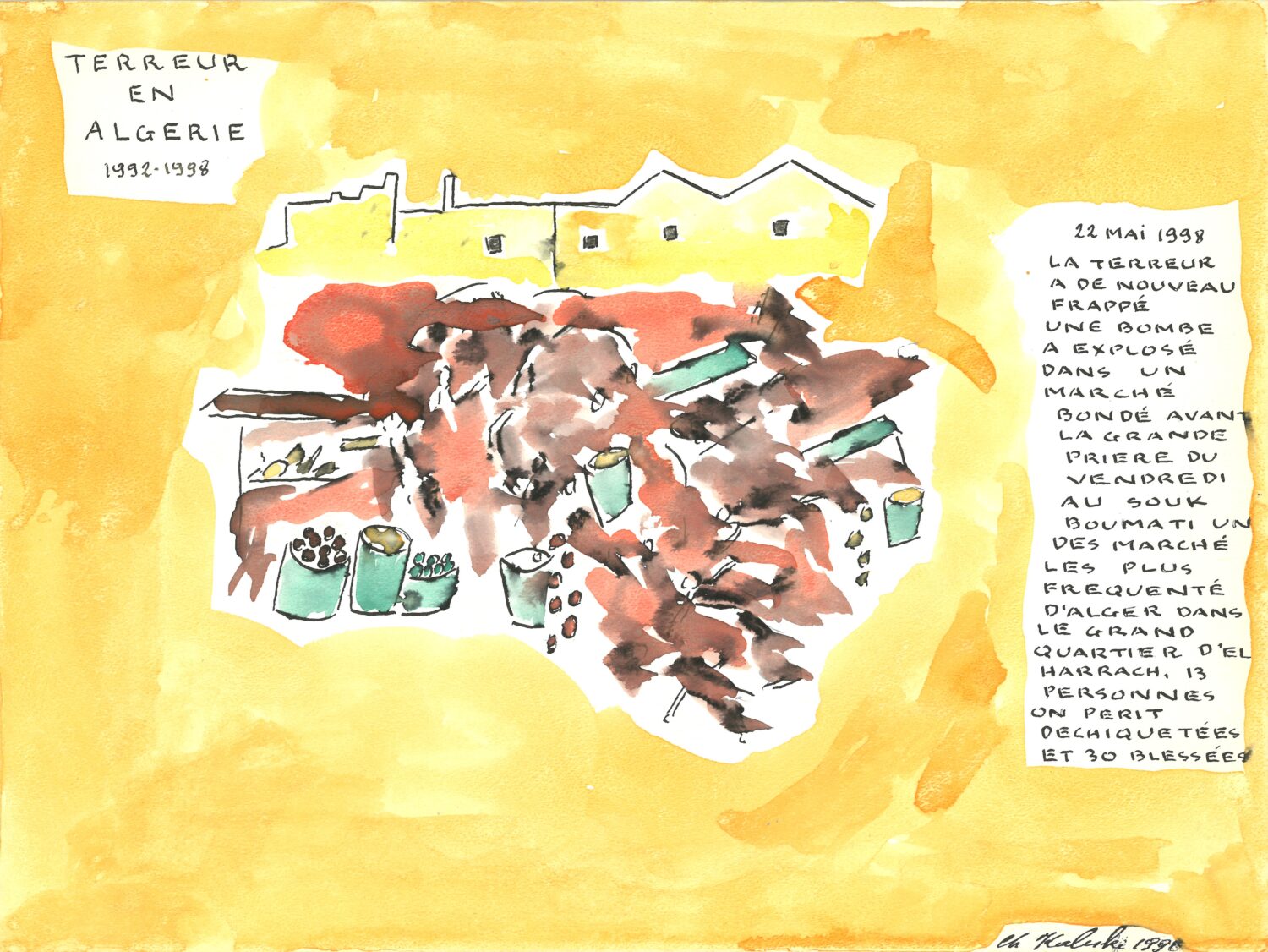
For the second part of the exhibition “ Aussi loin qu’ici” (As Far As Here), the Jewish Museum of Belgium presents a unique dialogue on memory and territory.
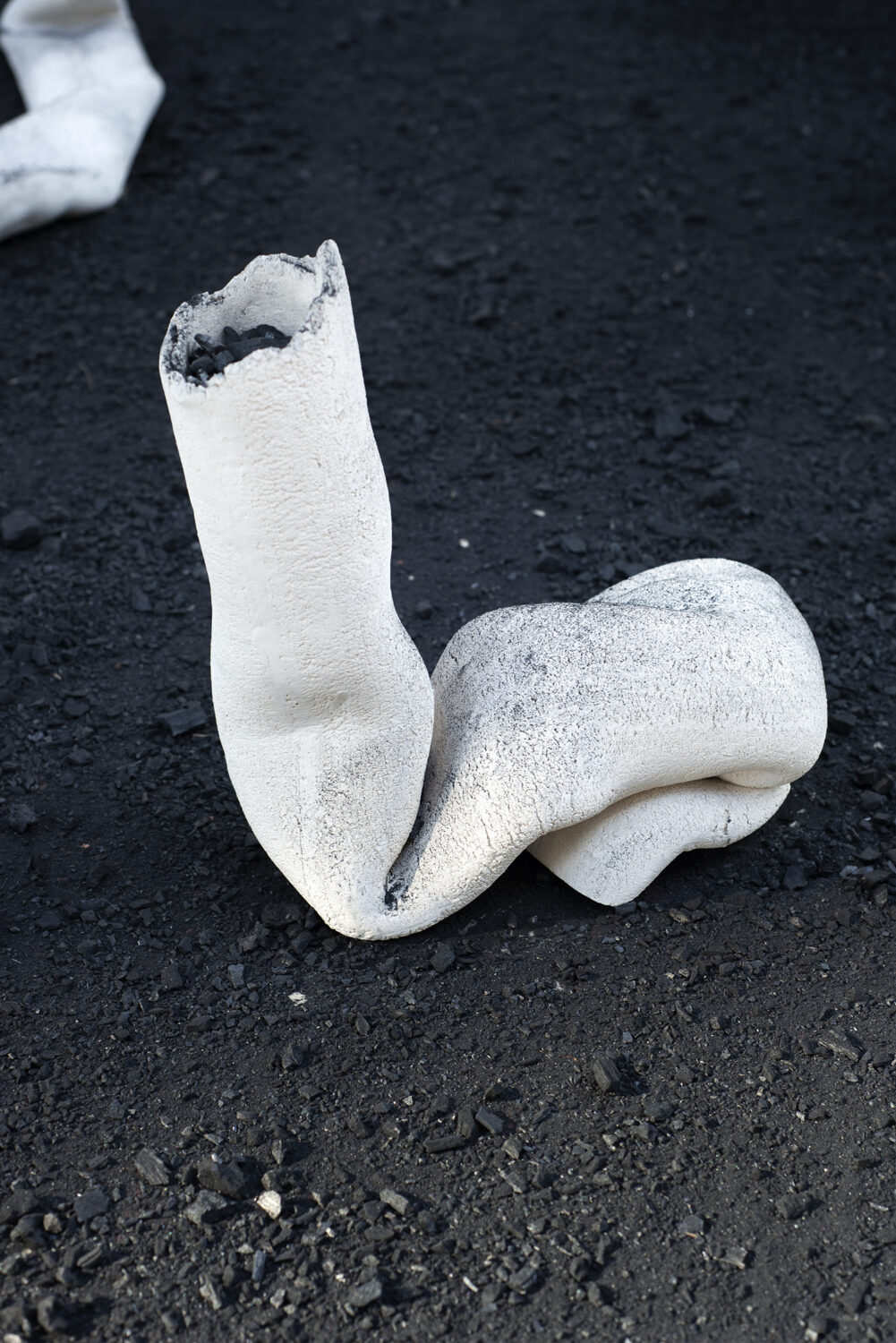
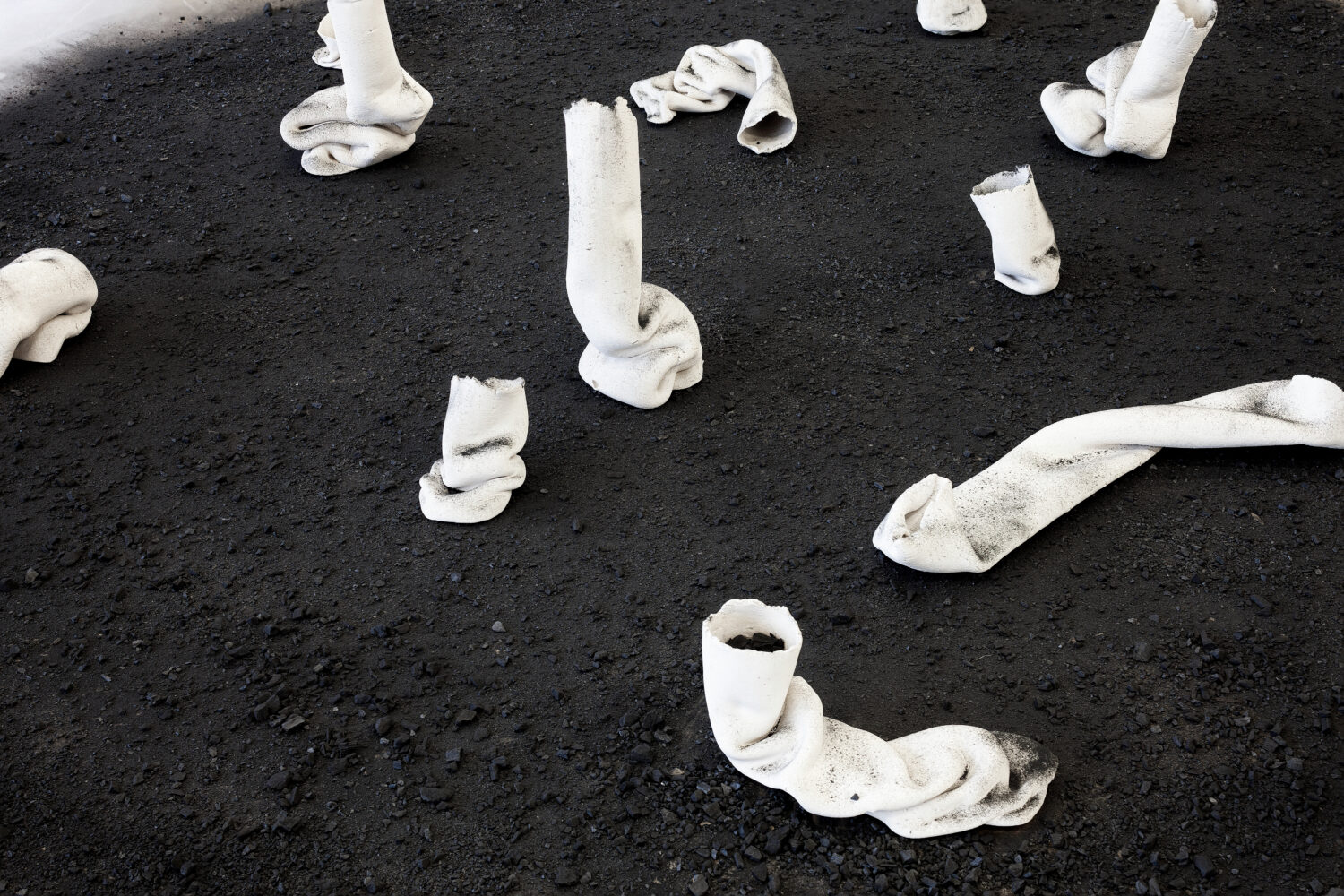
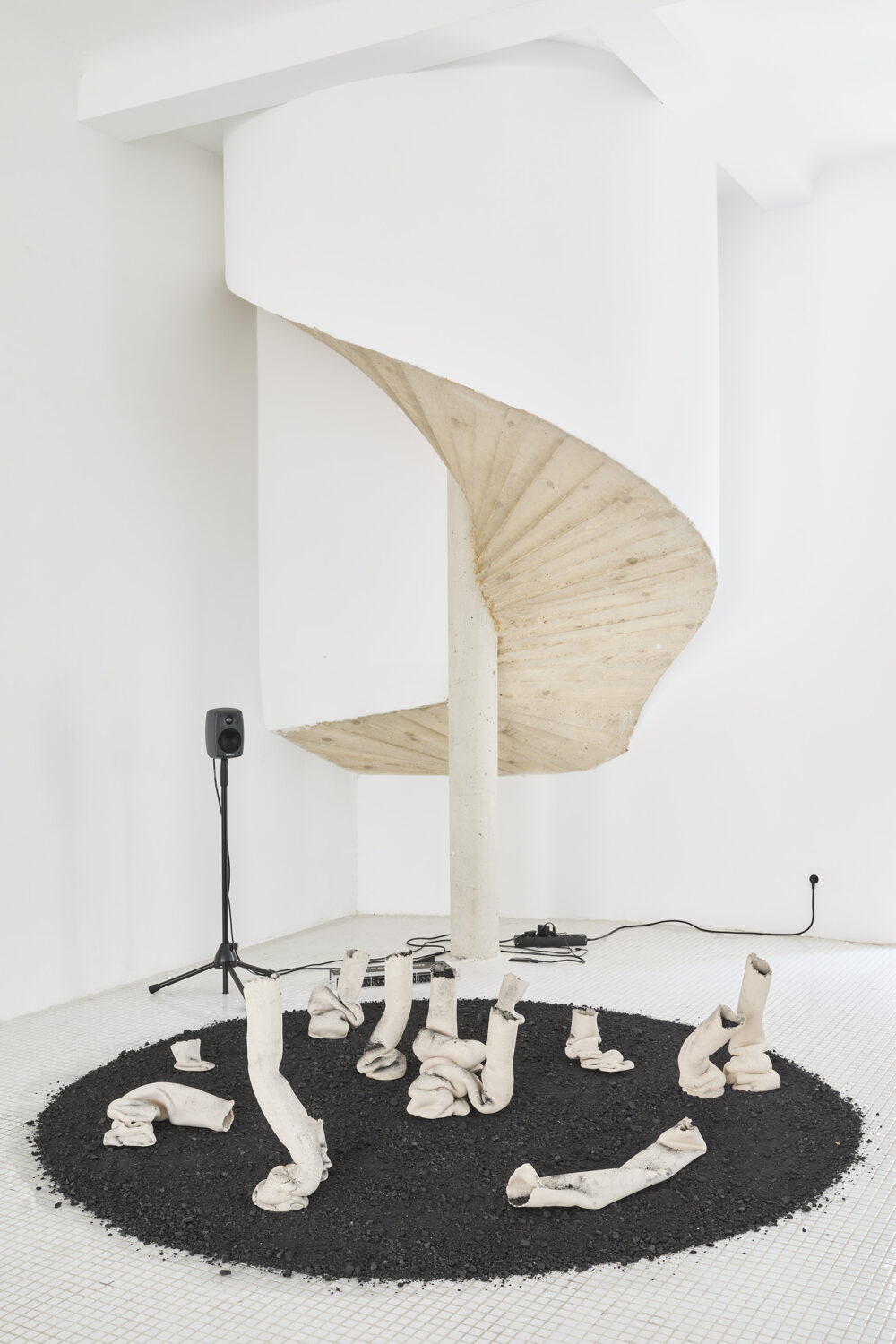
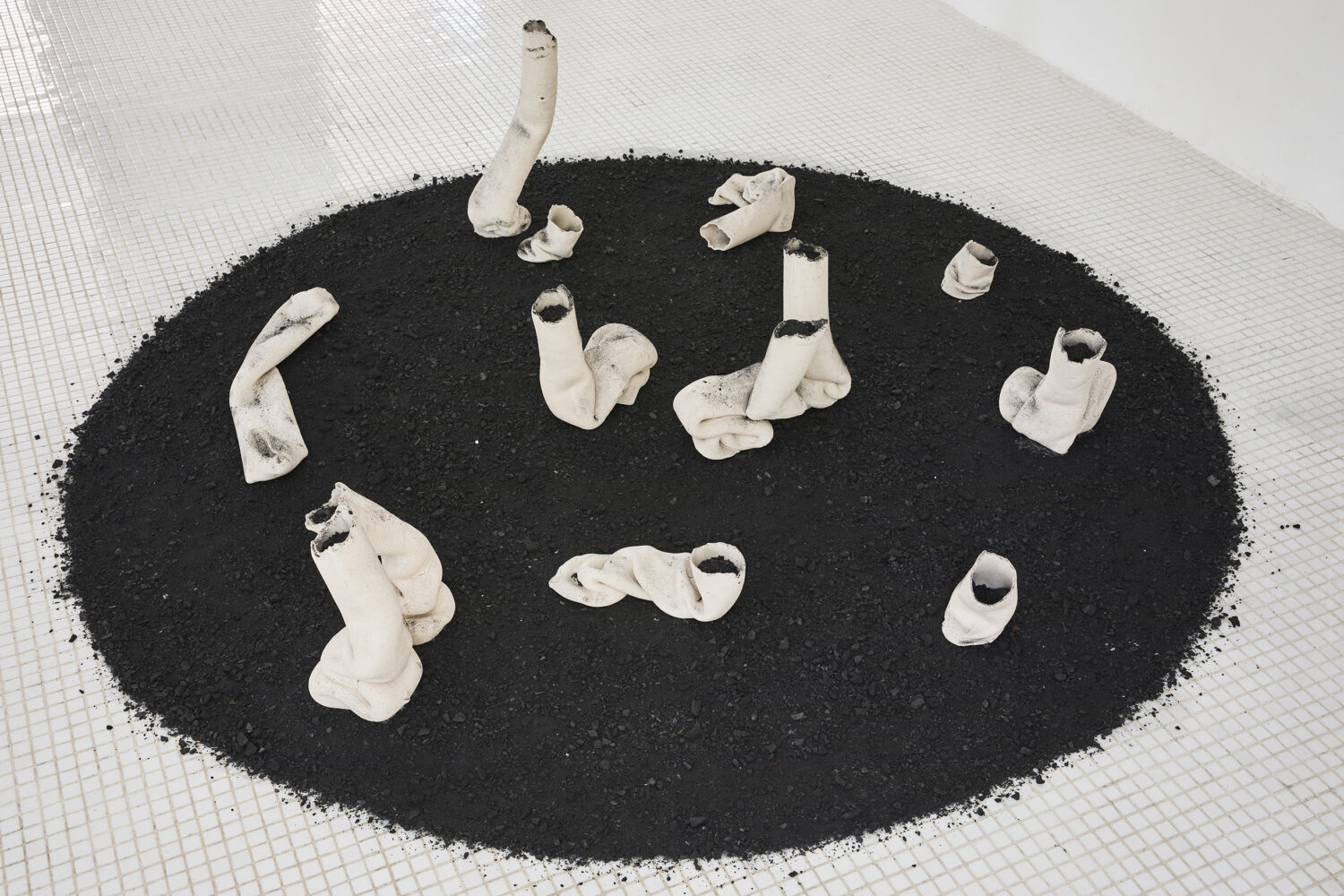
With Fool’s Paradise, Angyvir Padilla (1987, Venezuela) composes a fragmented landscape where exile, loss, and matter intermingle. On the ground, black coal, burnt residue, welcomes ceramic forms, like bodies on the verge of collapse but still holding on. This unstable territory is traversed by a voice, that of the artist, singing a Venezuelan melody. The landscape becomes an emotional and political space, traversed by ruins, memories, and reconstructions. Between here and elsewhere, between presence and absence, Padilla invents a shifting “home,” shaped by the traces and gestures of everyday life.
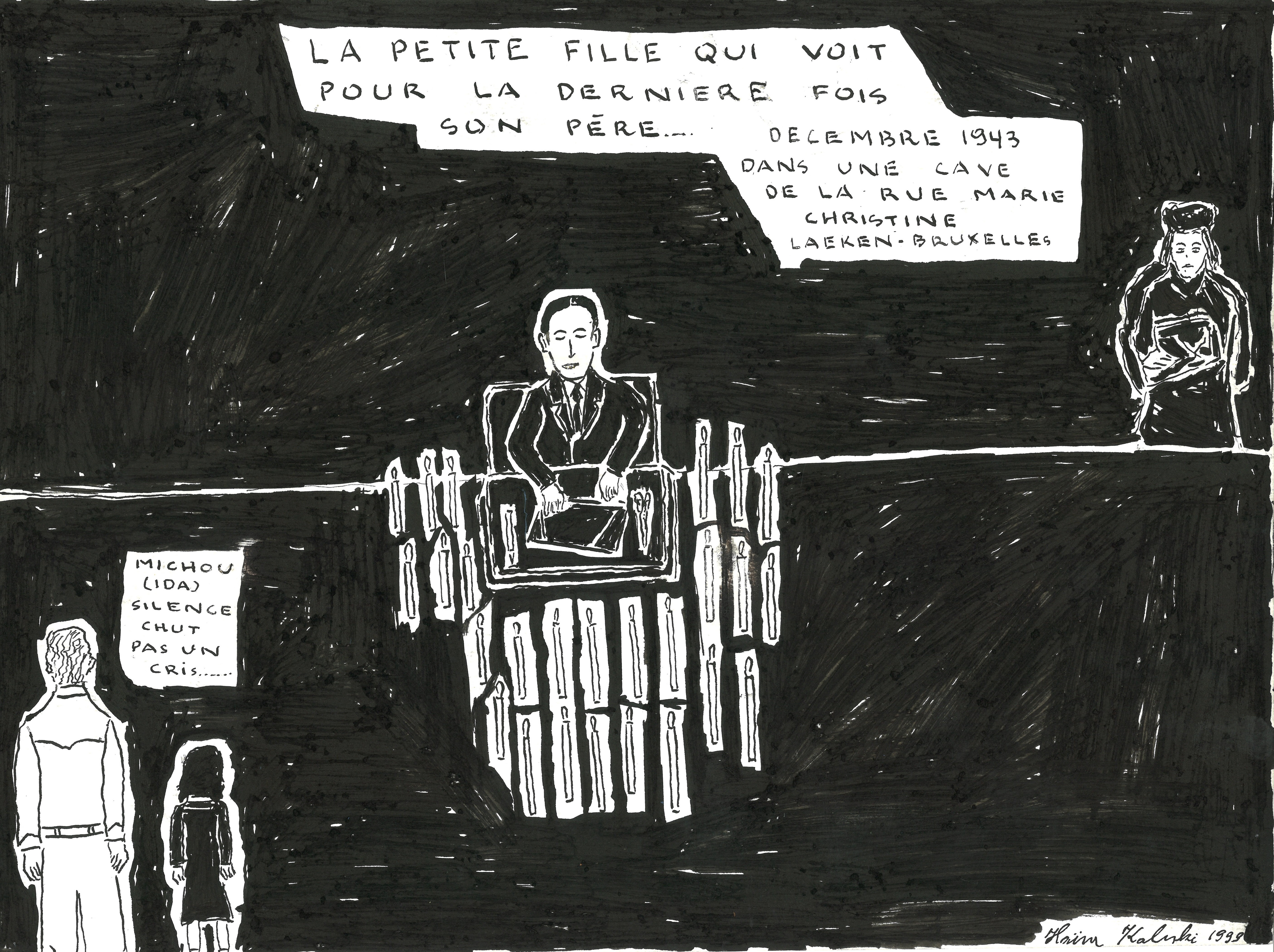
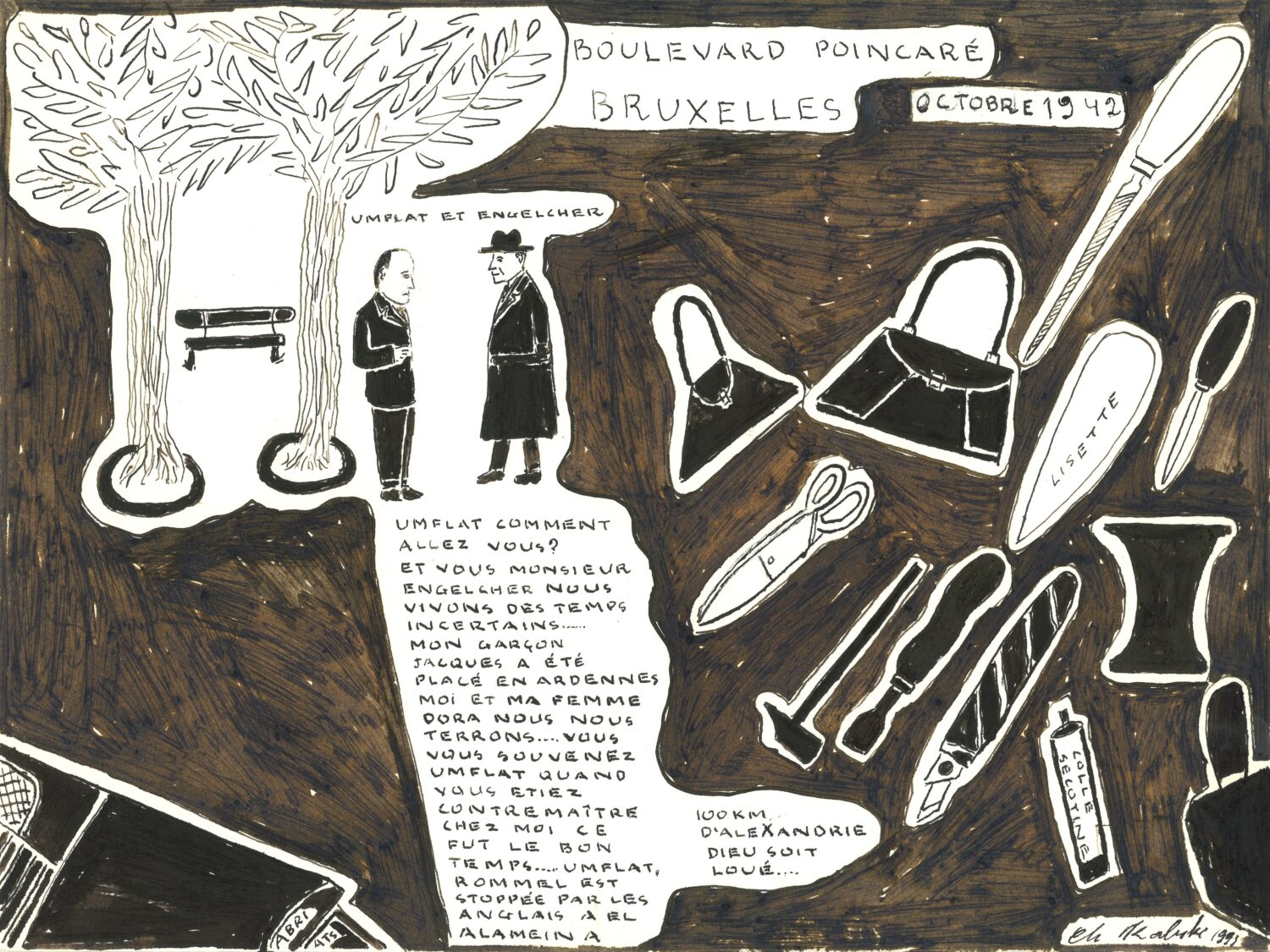
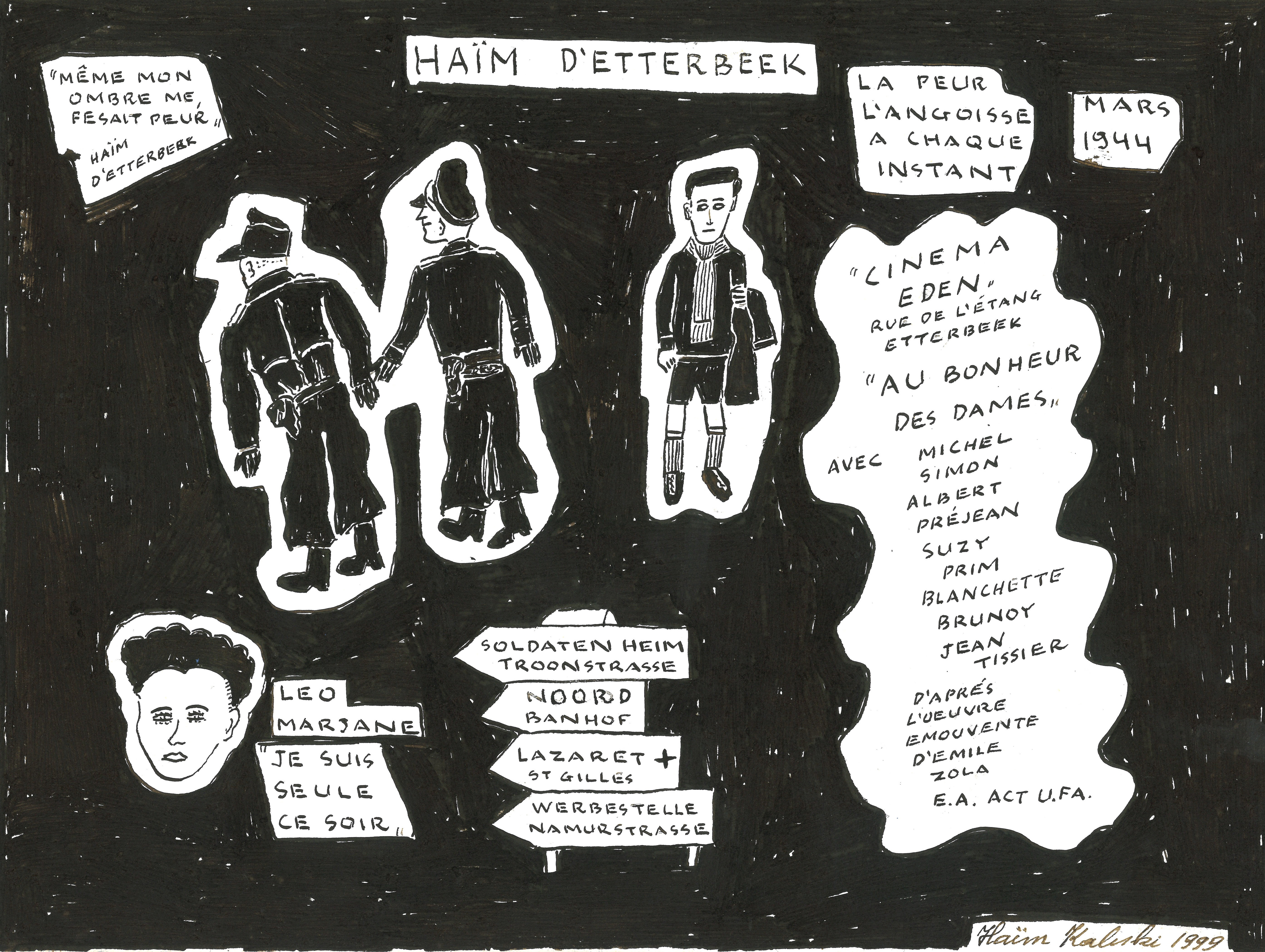
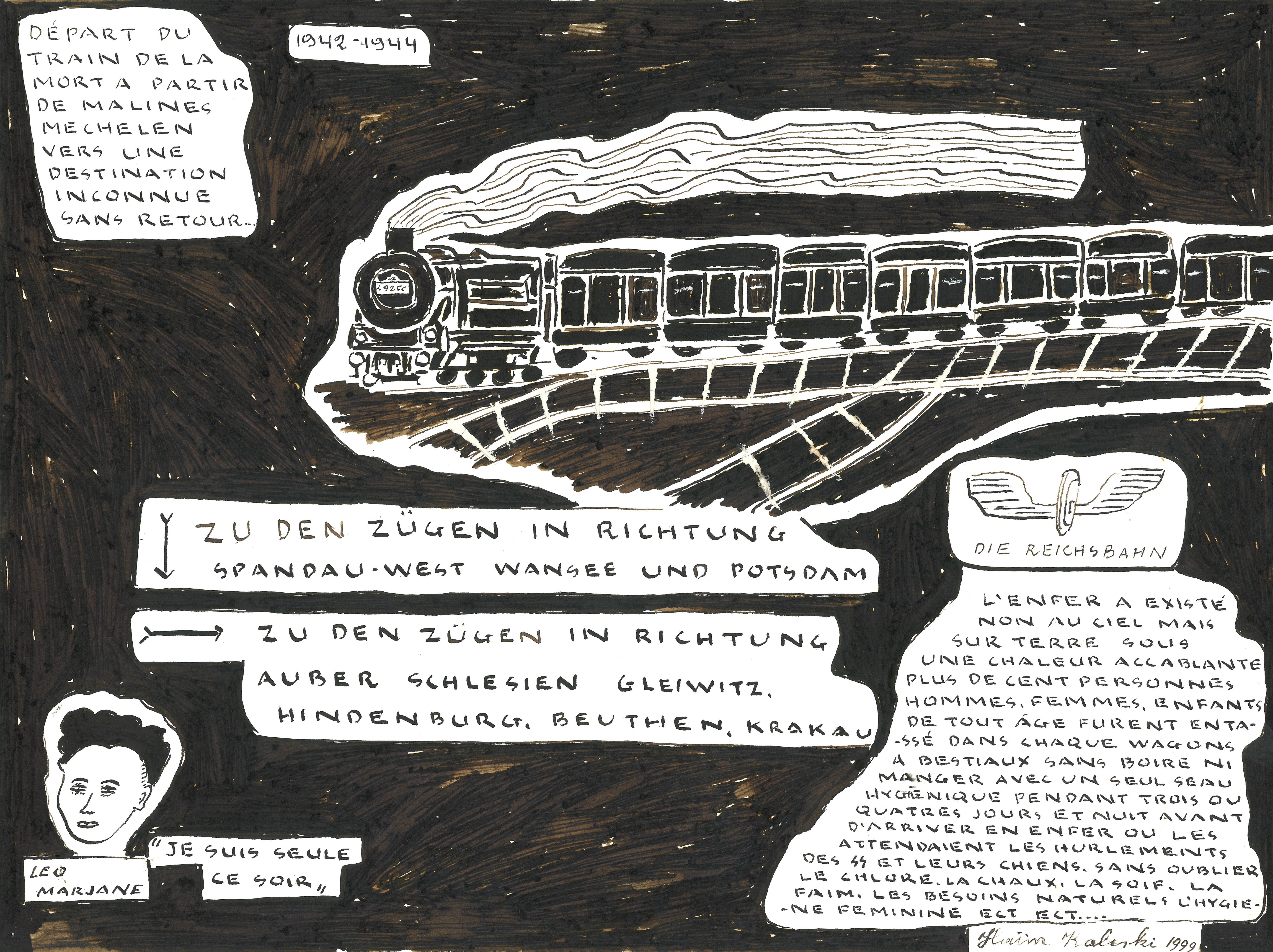
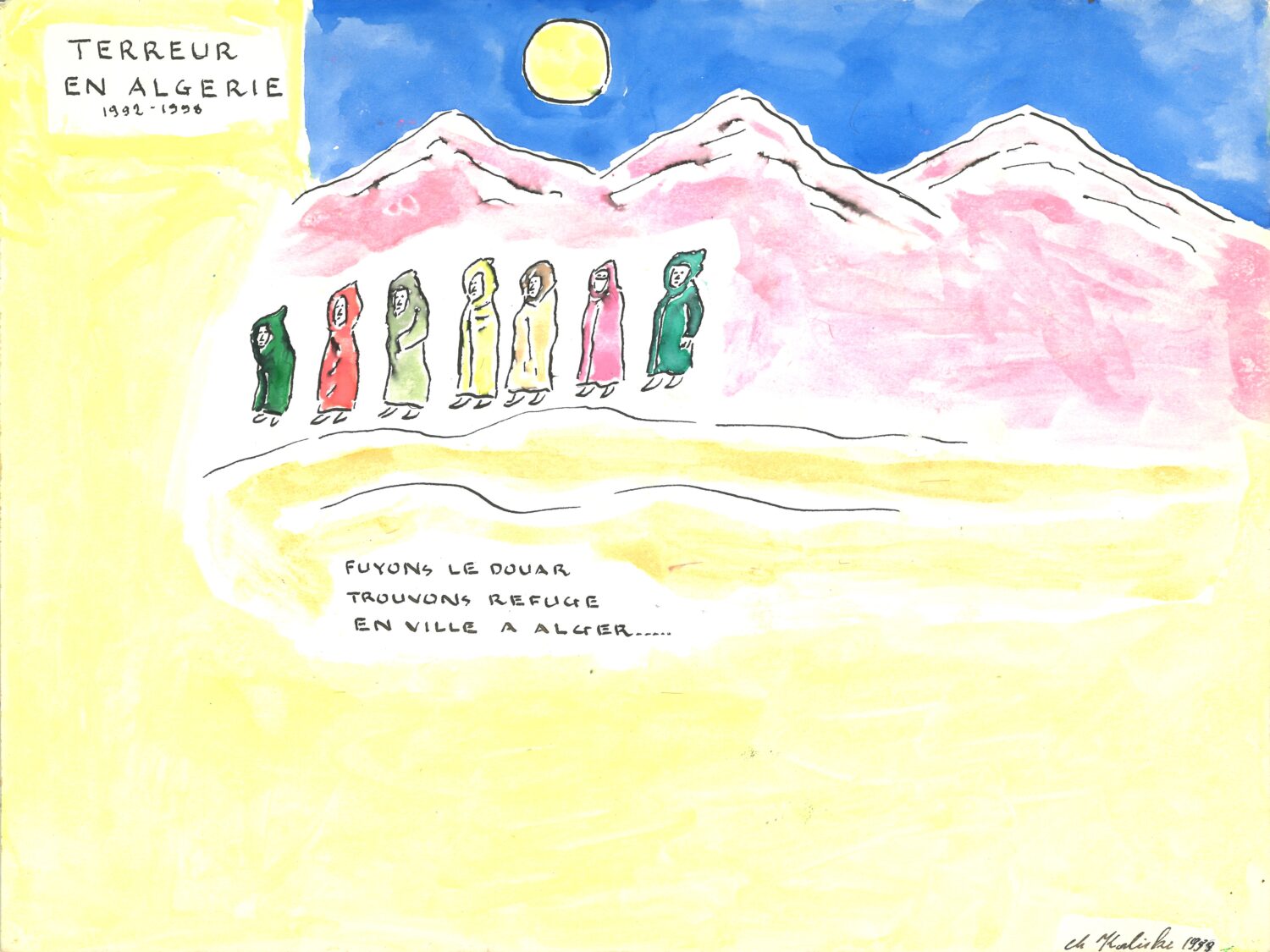
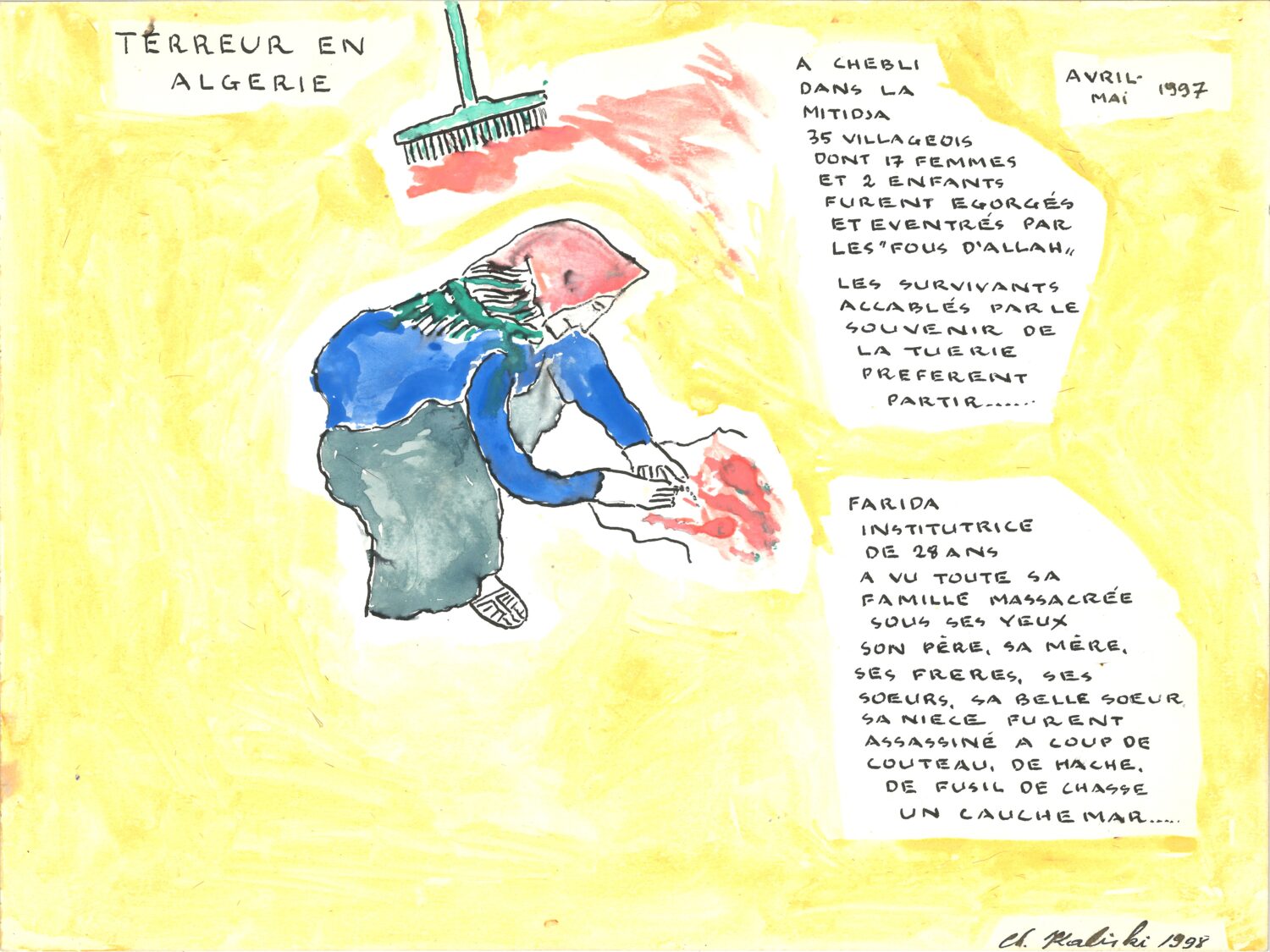
For Jim Kaliski (1929–2015, Belgium), too, territory serves as a field of memory and resistance. His first series refers to his formative childhood experience, marked by the Holocaust: as a hidden Jewish child, he escaped deportation, while his father was murdered in Auschwitz. Later, at the age of over sixty, he turned to drawing as a self-taught artist, as if to reestablish a dialogue with the world. Imbued with an obsession with detail, his works seek to give form to the unspeakable and to inscribe memory in gesture. The second series, dedicated to the violence in Algeria in the 1990s, extends this memory to other geographies, making the intimate a prism through which to read the tragedies of the 20th century. In these drawings, which focus closely on people and places, Kaliski inscribes a silent solidarity between victims and reminds us that “all the bleached bodies of all genocides resemble each other and come together.
The practices of Angyvir Padilla and Jim Kaliski, formally distant, converge in their shared focus on territory as a place of memory. Elsewhere intertwines with here, traces of the past cross the present, the intimate becomes History. Memory is no longer just a testimony, but an act of resistance—a way of inhabiting the present differently. Yet one nagging question remains: how can we feel at home in a world marked by displacement and loss?
***
Angyvir Padilla (1987, Venezuela) is an artist who frequently combines installation art with sculpture, performance, photography, video, and sound. She takes as her starting point domestic elements from her youth in Venezuela, which she transposes into a different environment: she seeks to recreate the impression of family intimacy in order to preserve a trace of what once existed, while opening up new narratives of personal reconciliation. The issue of migration is addressed through her own experience, but also sometimes through female figures in her family, as well as through the use of voice and material as vectors of memory. Revived in another cultural context, these personal traces question how past experiences allow us to anchor ourselves in the world.
Jim Kaliski (1929–2015, Belgium) was a self-taught artist whose life was profoundly marked by the Holocaust. Born into a Jewish family, he was forced to go into hiding to escape deportation, while his father was arrested and murdered in Auschwitz. This experience as a teenager would mark him for life, but it was not until the age of sixty that he began drawing to tell his story. With his hyperthymesia, he bears witness to the violence of his century as a way of transcending his personal experience. His thousands of drawings remind us, in his own words, that “all the bleached bodies of all genocides look alike and come together in stench and abomination.”
***
VERNISSAGE
THURSDAY, NOVEMBER 13, 2025, 6:00 pm —8:30 pm
With works by Yassir Amazine, Aimé Bahati, Nour Ben Slimane, Sergio Carrasco Olave, Georges Cauchy, Sylvain Corentin, Adam Cicherski, Sylvain Cosijns, Heide De Bruyne, Germana Dragna, Sebastián Ferreira, Michael Golz, Juanma Gonzalez, Richard Greaves, Julie Hascoët, Josef Hofer, Jeroen Hollander, Jim Kaliski, Côme Lequin, Maxime Mormont, Raphaël Michel, Ludovic Mennesson, Mark Anthony Mulligan, Michaël Mvukani Mpiolani, Fernando Oreste Nannetti, Helmut Nimczewski, Angyvir Padilla, Adèle Pion, André Prues, Melina Riccio, André Robillard, Jean-Pierre Rostenne, Marie Steins, Mohammed Targa, Donatien Toma Ndani Djemelas, Koki Ueshima, Warren Van Ess, Willem Van Genk, Gérard Van Lankveld, Marc Vervloet.
Every year, our museum has the privilege of welcoming a volunteer through the Aktion Sühnezeichen Friedensdienste (ASF) program – Action Reconciliation Service for Peace. This year, we are delighted to welcome Maya, who is joining our team thanks to the European Solidarity Corps. This European Union program enables young people to engage in solidarity projects across Europe and beyond, while developing valuable skills and contributing to meaningful causes.
A long-standing partnership
For over 60 years, ASF has been committed to memory, understanding, and human rights. Each year, by welcoming an ASF volunteer, we strengthen our shared commitment to peace and reconciliation. These intercultural exchanges and collaborations enrich our daily work and remind us of the importance of international solidarity.
The European Solidarity Corps: a human and solidarity adventure
The European Solidarity Corps is aimed at young people aged 18 to 30 (and up to 35 for humanitarian missions). It offers them the opportunity to get involved in a variety of projects: supporting vulnerable people, environmental actions, local initiatives, and much more. For Maya, this experience will be an opportunity to make her contribution while gaining a unique and enriching experience.
Learn more If you would like to learn more about ASF or the European Solidarity Corps, please visit the following links:
Co-funded by the European Solidarity Corps of the European Union.
Caption: Maya interacting with Gustav Metzger’s artwork in a historical photograph showing Jews being forced to scrub a sidewalk in Vienna, on view in the exhibition “There Is a Crack In Everything”.
Since October 2024, the museum has been closed and its permanent collection dismantled.
And yet, we remain open—in a different way.
Our temporary exhibition “There Is a Crack in Everything” continues to be on view in our building until 14 December 2025. At the same time, Jewish Museum In/Out takes the museum beyond its walls, bringing culture and stories into the city and closer to you.
The renovation, originally scheduled earlier, is now planned for 2026. Until then, we’ll be sharing with you this unique journey of transition and renewal.
Because a museum is never only about walls – it thrives through its connections, its stories, and above all, with you.
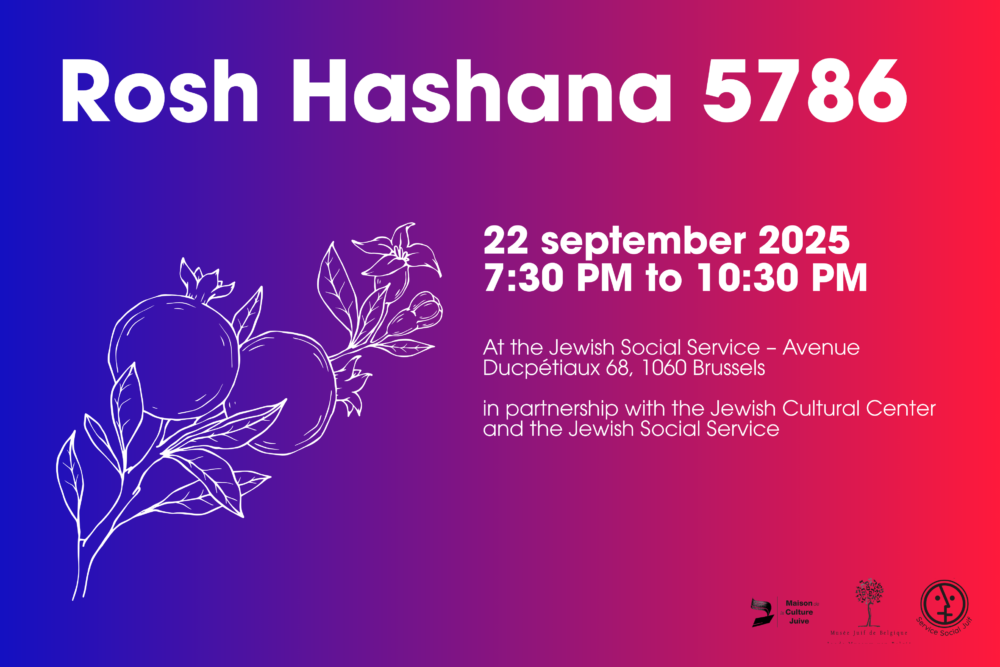
Rosh Hashana: Let’s celebrate the Jewish New Year together!
The Jewish Museum of Belgium, the Jewish Cultural Center and the Jewish Social Service are delighted to invite you to a festive and convivial gathering on the occasion of Rosh Hashana, the Jewish New Year.
Monday 22 September 2025, from 7:30 PM to 10:30 PM Jewish Social Service – Avenue Ducpétiaux 68, 1060 Brussels
This event is open to everyone looking for a welcoming place to share the first evening of Rosh Hashana, in a spirit of solidarity, sharing and traditions.
Program:
Ceremony of wishes
Mini-exhibition of objects related to Rosh Hashana from the collections of the Jewish Museum of Belgium, with the presence of our archivist
Rosh Hashana Seder followed by a full dinner (starter, main course, dessert)
Short dracha with Luc Kreisman
Traditional songs in Yiddish and Hebrew
Participatory and intergenerational wish tree
Participation: €30 You may also offer a solidarity ticket to allow more people to join this evening.
Even while the building is closed, our activities continue. Discover our new brochure with all our updated offers now!
The Jewish Museum of Belgium offers a wide range of educational and fun activities. They are designed to suit all audiences: students of all ages and levels, as well as extracurricular groups, associations, and adults. All our activities are tailor-made and available in French, Dutch, and English. Discovering other cultures, developing critical thinking, and deconstructing stereotypes are all part of the program!
These activities are all the more meaningful in a multicultural society. They aim to build a more inclusive society together, where everyone has their place. To achieve this, we draw on a wide range of skills, expertise, and knowledge defined for students in terms of awareness and education.
Feel free to browse our flyer to discover all our activities: “Let’s Meet a Jew” workshops, our workshops related to temporary exhibitions, not to mention a tour of the Great Synagogue or a meeting with a Holocaust survivor.
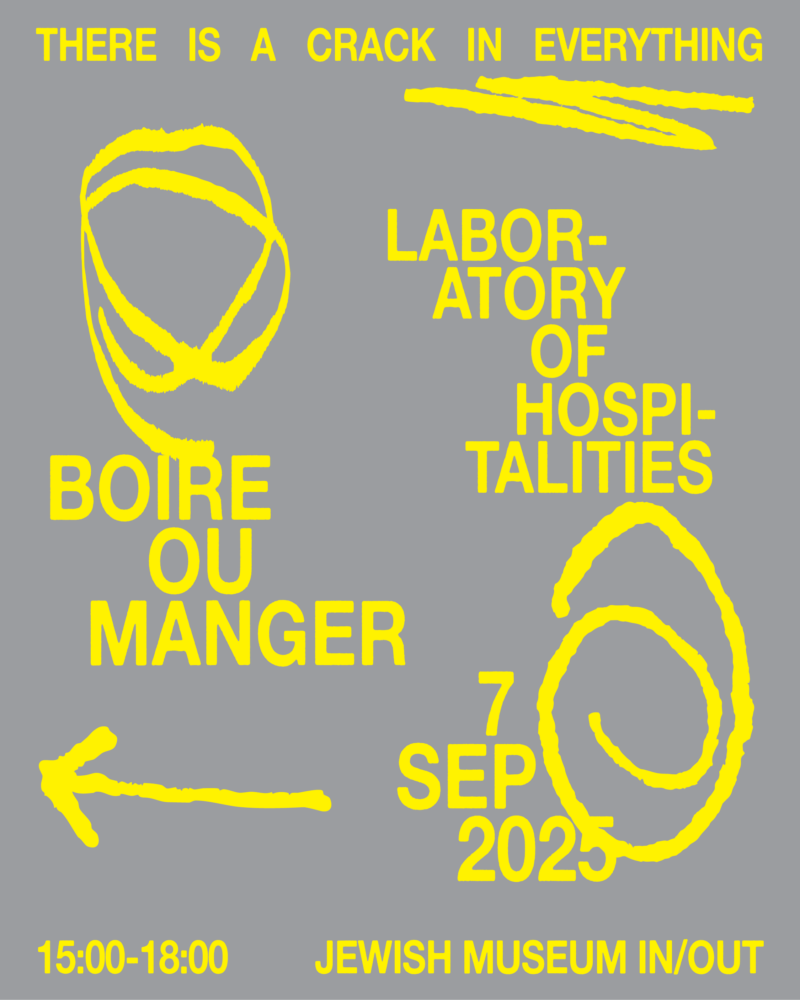
Sunday, September 7, from 3 pm to 6 pm, join us for the fifth edition of Boire ou Manger at the Jewish Museum of Belgium.
As part of the exhibition There is a Crack in Everything, we are inaugurating the Laboratory of Hospitalities. How can a closed museum temporarily open up and reinvent itself as a welcoming space for encounters? By blurring the boundaries between host and guest, through an event-based program, the museum goes beyond its traditional role as host to give its guests the opportunity to welcome in return. How do we welcome the other? How can hospitality be thought of not simply as a gesture of openness, but as a space of negotiation, where host and guest co-construct a shifting common ground?
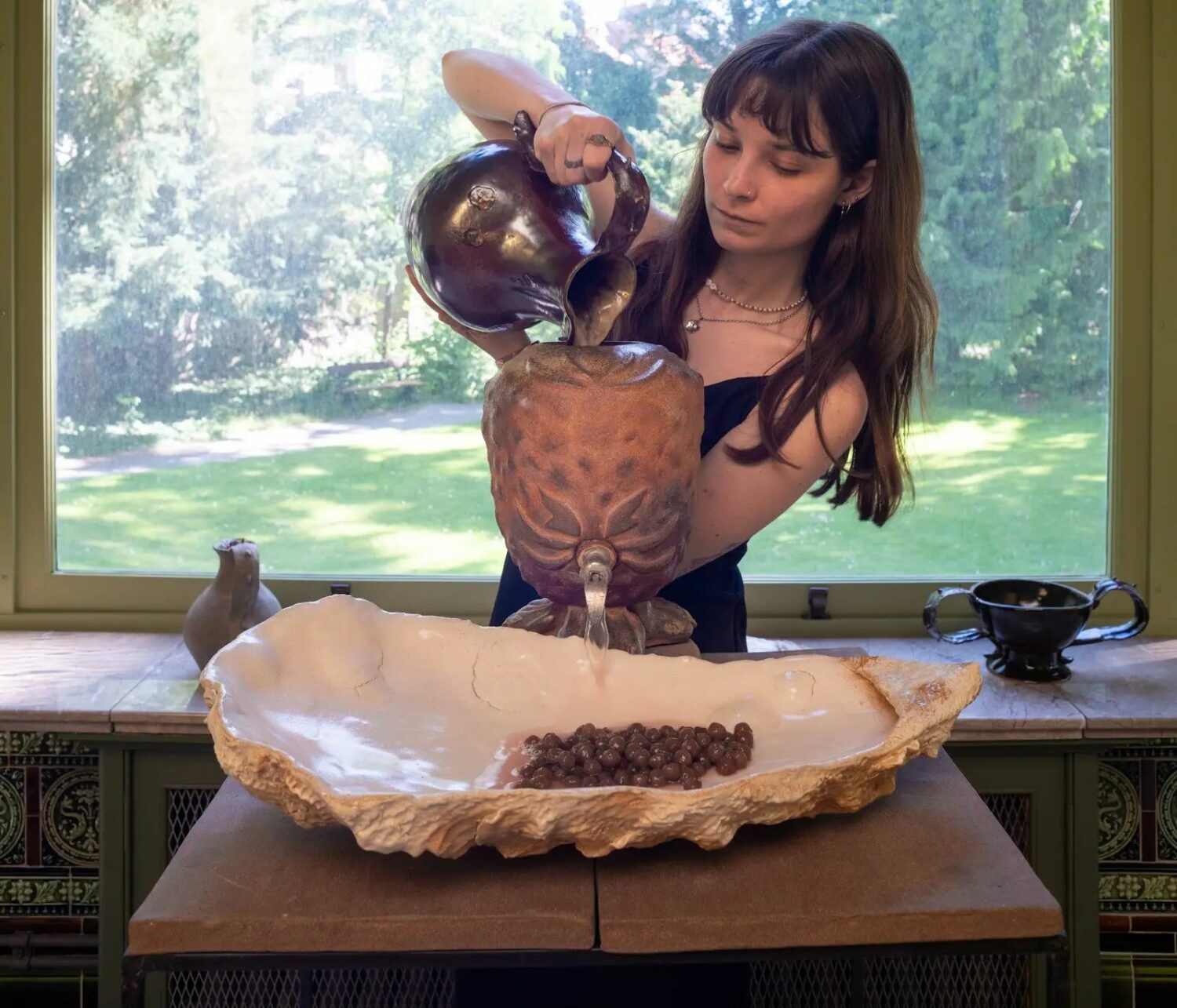
Boire ou Manger is a series of small Brussels events dedicated to utilitarian objects and their containers. For this fifth edition, the artists are invited to create a jug, which will then be filled with the delicious recipe of Osma_bxl.
The approach of Boire ou Manger is as local as possible, both in terms of the artists and the food.
While waiting to discover these jugs, here is the list of participating artists: Adèle Pasquier, Agathe Bertin, Anna Zanichelli, Arianna Musetta, Axel Fourmont, Brigitte Arbelot, Charlotte Burgaud, Charlotte Chauvin, Chloé Girten, Coline Rosoux, Eliot Duran, Fanny Canel, Hélène Bedouet, Hélène Drénou, Ivonne Gargano, Jaco Mnes, Leonard, Lieza Dessein, Louise Devin, Quentin Caillaud, Sarah Kerloveou and Sukrii Kural.
Free Event. No registration required.
Practical information: 21 Rue des Minimes, 1000 Brussels From 3 PM to 6 PM Kefir €2 Jug €90
The Jewish Museum of Belgium embarks on its makeover: time for the ‘Jewish Museum In/ Out’.
The Jewish Museum of Belgium today announced the temporary closure of its doors for an ambitious renovation and extension project, with a planned reopening in 2028. This transformation is an opportunity for the institution to rethink its role in contemporary society around its key themes of openness, dialogue and education. During this period, the museum will take on a new form and become the Jewish Museum In/Out, pursuing its cultural missions through out-of-home and digital initiatives.
A dynamic program connected to the world
During the closure, the Jewish Museum of Belgium will continue to enrich the Brussels and international landscape under the banner of Jewish Museum In/Out. The institution will explore new ways of disseminating culture. Contemporary art exhibitions will be organized in partnership with other institutions, enabling the public to discover works and projects in new venues. In addition to exhibitions, the museum will continue to program traveling art events and performances, in partnership with the City of Brussels, incorporating artistic interventions in public spaces and partner venues. This nomadic approach will enable us to continue creating powerful and innovative encounters, reinforcing the museum’s presence in the cultural life of Brussels.
An off-site educational program has also been set up to interact directly with schools, promoting cultural education right in their midst. This commitment to young people testifies to the museum’s determination to remain a central player in the transmission of knowledge and humanist values, as well as in the fight against antisemitism and all forms of racism.
At the same time, the museum is turning to digital technology to meet contemporary needs. During the construction period, a digital museumwill highlight all the museum’s missions – conservation, dissemination and education. An interactive platform, accessible to all, will enable visitors to explore the collections, follow exhibitions and take part in educational programs, wherever they may be.
“The renovation of the Jewish Museum of Belgium is essential to preserve and enhance this unique place of cultural and educational transmission. Its commitment to telling the story through art and memory is invaluable. Until it reopens, the hors-les-murs program promises to enrich our city and bring culture to the heart of Brussels’ neighborhoods, offering everyone a precious opportunity for exploration and reflection.” – Philippe Close, Mayor of Brussels
An architectural and cultural transformation
Housed since 2002 in a building dating from the late 19th century, the Jewish Museum of Belgium will undergo an architectural transformation. Barozzi Veiga Architects (Barcelona), in collaboration with Tab Architects (Ghent), will lead the renovation. The architectural project will include the addition of a “belvedere”, a symbol of openness and modernity, offering a panoramic view of Brussels. At the same time, particular attention will be paid to the scenography, designed by Christophe Gaeta, who will propose a new museum itinerary. The whole will be enriched by the integration of a contemporary work of art, reinforcing the dialogue between tradition and innovation.
A museum for the future
This renovation is much more than an architectural project. It testifies to the Jewish Museum of Belgium’s ability to reinvent itself, to respond to the challenges of tomorrow, and to reinforce its role as a place of exchange, reflection and transmission. In 2028, the museum will reopen its doors with a totally redesigned space, in tune with the expectations of a diversified public connected to its time.
The project to build the new Jewish Museum of Belgium is supported by Beliris – Brussels-Capital Region, the Wallonia-Brussels Federation and the City of Brussels.
Hidden Stories: Richard Moszkowicz
What if you started painting at over 50 years old, without rules, without training, just with the urgent desire to bring out what’s inside you? That’s exactly what Richard Moszkowicz did.
For this fourth episode of “Hidden Stories,” we introduce you to a striking canvas created in 2018, recently added to the collection of the Jewish Museum of Belgium after the exhibition “Passage. Textiles & Rituals“
Saturated colors, vertical gestures, words scribbled like fragments of an intimate diary. Moszkowicz’s canvases don’t tell stories; they reveal an inner tension. Born in Brussels in 1945, he joined the Créahmbxl workshops in 1997, where he continues today to build a body of work that is as powerful as it is unclassifiable.
Watch the video to discover more about this unique artwork and the artist who created it.
In March and April 2025, several classes of primary and secondary school students from Brussels collaborated within the framework of the Beit Project. This educational project, launched in Paris in 2011, has been deployed in 16 different cities to explore and celebrate the shared cultural heritage. It fosters encounters among young people and encourages them to look beyond their differences to live a shared experience.
At the Jewish Museum of Belgium, the young participants worked together to create a « nomadic school of citizenship, » symbolizing their learning. They explored the memory of places and the richness of urban cultures, which led to the creation of a film.
Watch our video to discover how these young minds are shaping the future.
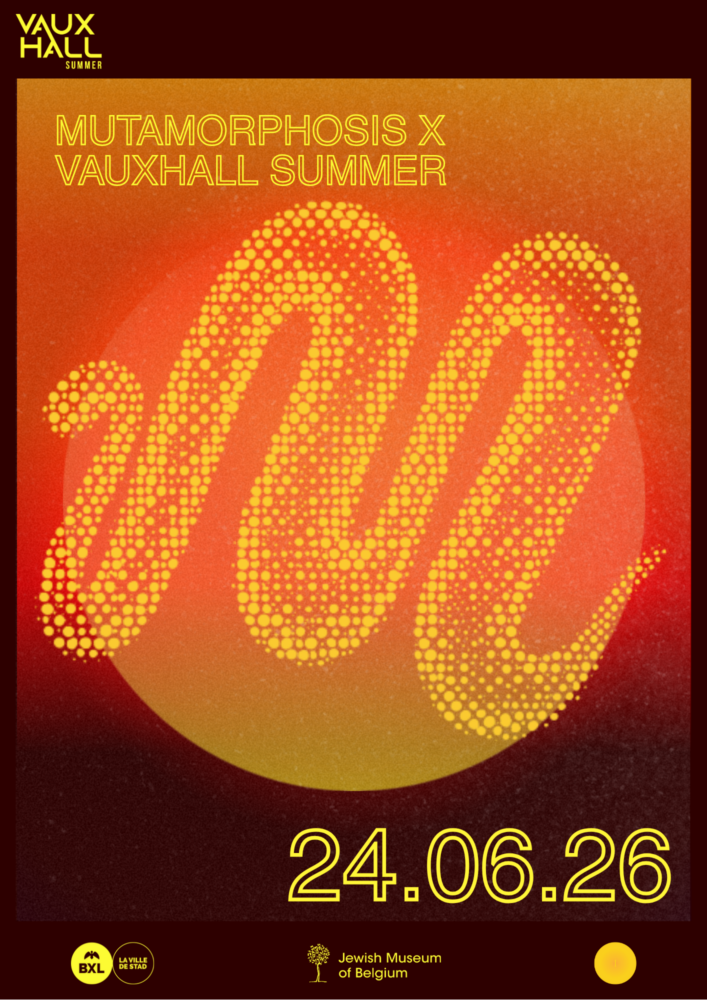
MUTAMORPHOSIS is an immersive exploration of hybridity, built around a transdisciplinary program. Through performances, concerts, dance, and more, the project invites us to engage with the ongoing transformations that shape our identities, our bodies, and our societies.
MUTAMORPHOSIS weaves together processes of interculturality, intersections of influence, and the emergence of new forms of expression. These hybridizations urge us to rethink boundaries and redefine notions of belonging, taking a step toward building bridges between our true selves.
MUTAMORPHOSIS explores profound and underlying changes that disrupt established orders. These mutations, whether physical, social, cultural, spatial, or political, challenge existing norms and structures.
The program is structured around distinct themes that explore diverse cultural identities and the hybridization of bodies, genders, and spaces in a contemporary world where norms and traditions are constantly being questioned.
By revealing the fluid nature of an evolving society, MUTAMORPHOSIS seeks to create spaces for dialogue, dreaming, and reflection, spaces where new possibilities can emerge.
MUTAMORPHOSIS envisions hybridity as an ethics of relation: a movement beyond the self, toward the other.
This event is part of Vaux Hall Summer, organized by the City of Brussels.
Practical information:
Dates: June 13, 2025 & July 11, 2025 from 6pm to 11pm
Venue: Vaux Hall – Parc de Bruxelles: Rue de la Loi 5, 1000 Brussels
Free event
Contact: communication@mjb-jmb.org
MUTAMORPHOSIS est une exploration immersive de l’hybridité à travers une programmation transdisciplinaire. Par le biais de performances, concerts, danses, dj set, le projet nous invite à plonger au cœur des transformations permanentes qui façonnent nos identités, nos corps et nos sociétés.
MUTAMORPHOSIS met en avant les processus d’interculturalité, les croisements d’influences et l’émergence de nouvelles formes d’expression. Ces hybridations nous poussent à repenser les frontières et à redéfinir les notions d’appartenance.
MUTAMORPHOSIS explore les changements profonds et soudains qui bouleversent l’ordre établi. Ces mutations, qu’elles soient physiques, sociales, culturelles, spatiales ou politiques, remettent en question les normes et les structures existantes.
Le programme se déclinera en différentes thématiques qui exploreront les identités culturelles multiples et l’hybridation des corps, des genres et des espaces dans un monde contemporain où les normes et les traditions sont remises en cause.
En rendant visible le caractère fluide d’une société en évolution, MUTAMORPHOSIS veut créer des espaces de dialogue, de rêve et de réflexion qui permettent l’émergence de nouveaux possibles.
MUTAMORPHOSIS envisage l’hybridation comme une éthique de la relation, où il s’agit de sortir de soi pour aller vers l’autre.
For the third episode of our Hidden Stories series, discover Composition à la figure rouge, a recent acquisition by the Jewish Museum of Belgium.
Created by Stéphane Mandelbaum (1961–1986), this double-sided work combines gouache, ballpoint pen, and felt-tip marker. It explores powerful themes such as identity, sexuality, violence, and memory.
Watch our video to learn more about this striking piece.
An Exceptional Kaddish Concert with Shaya Feldman and Franco Panizon at the Jewish Museum of Belgium!
On May 21, 2025, the Jewish Museum of Belgium, in collaboration with the Jewish Cultural House, invites you to an exceptional Kaddish concert featuring Shaya Feldman (vocals & double bass) and Franco Panizon (piano).
The concert will present a rich and varied repertoire centered around the Kaddish, featuring works by renowned composers such as Salomone Rossi, Maurice Ravel, André Hajdu, Josef Dorfman, Emanuel Vahl, as well as original compositions by Shaya Feldman.
***
The Kaddish, a key moment in Jewish liturgy, has been the prayer for the dead since the Middle Ages. Written in Aramaic, this text praises the Eternal in all His majesty, without any direct reference to death. The term Kaddish also encompasses the music that accompanies it.
There are numerous versions of the Kaddish, varying by the period and place of their composition. They can be either sad or joyful. The Yiddish phrase a father says to his son, “Du bist mein kaddish,” ironically links love with death!
Behind each Kaddish lies a story, and there are many! Why does a particular melody become popular in a community? Why did Maurice Ravel, who was not Jewish, feel the need to compose a Kaddish?
Fascinated by this richness, Shaya Feldman has gathered several Kaddish versions from the 16th century to the present day, adding a contemporary touch.
An exciting evening with unique sounds that come from the depths of tradition!
***
Shaya Feldman is a double bass player, composer, and multidisciplinary dada artist from France and Israel. He graduated from the Jerusalem Academy of Music and the Conservatoire National Supérieur de Paris. In Israel, Shaya served as the musical director of the Association of Performing Artists and various festivals. He plays double bass in numerous orchestras, including the prestigious Opéra National de Paris and the Jerusalem Symphony Orchestra. Shaya also performs his own compositions on various international stages in Israel, Europe, and the United States. He frequently collaborates with contemporary music composers.
Franco Panizon is a pianist who completed his studies with distinction at the Trieste Conservatory (2016), where he also studied harpsichord and composition. He furthered his education at the Schola Cantorum in Paris. In Brussels, he completed his academic studies with a master’s degree in piano performance at the Koninklijk Conservatorium in 2020. The following year, he also obtained a Master’s in Education from the Conservatory of Mons. He collaborates in duos with cellist Federico Bragetti, flutist André Portela, and double bass player Shaya Feldman.
***
Practical Information
Date: May 21, 2025
Time: 7:30 PM – 9:30 PM
Location: Jewish Museum of Belgium – 21, rue des Minimes, 1000 Brussels
An Exceptional Chamber Music Class Concert at the Jewish Museum of Belgium
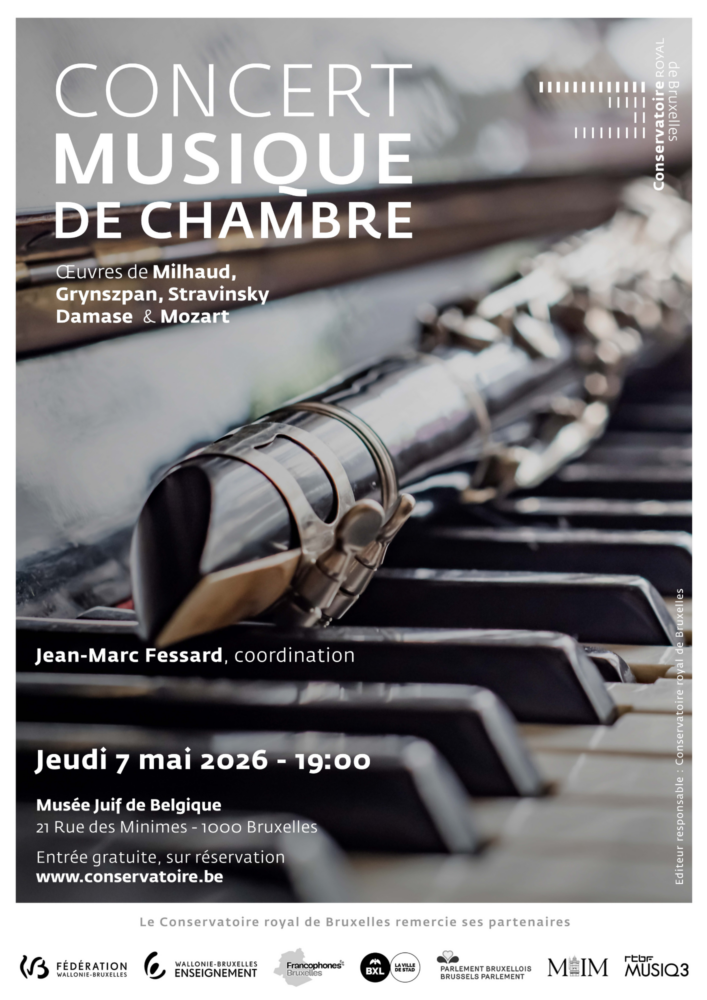
On Friday, April 25, 2025, at 7 PM, the Royal Conservatory of Brussels invites you to an exceptional concert by the Chamber Music Class, held at the Jewish Museum of Belgium. This event, coordinated by Jean-Marc Fessard*, promises an unforgettable musical evening, showcasing the talent and passion of young musicians.
An Inspiring Musical Evening
The concert will feature a rich and varied repertoire, including works by renowned composers such as Ludwig Van Beethoven, Piotr Moss, Igor Stravinsky, and Johannes Brahms. Students from the Chamber Music Class will take you on a journey through iconic pieces, demonstrating their mastery and artistic sensitivity.
Program:
Ludwig Van Beethoven – Trio op.11: Allegro con brio, Adagio, Tema con Variazioni. With Filip Cempa (clarinet), Elisabeth Lefebvre (cello), David Ganczar (piano).
Piotr Moss – “Stances”. With Filip Cempa (clarinet), Elisabeth Lefebvre (cello), David Ganczar (piano).
Igor Stravinsky – “Suite de l’histoire du soldat”. With Lana Herasymenko (violin), Armand-Wilfried Fessard (clarinet), Clément Bouvare (piano).
Johannes Brahms – Trio op.114. With Jiaxu Zheng (clarinet), Cuting Liang (cello), Narmia Ismayilova (piano).
Practical Information
Date: Friday, April 25, 2025
Time: 7 PM
Venue: Jewish Museum of Belgium – 21, rue des Minimes, 1000 Brussels
Don’t miss this unique opportunity to discover promising talents in an intimate and inspiring setting. Reserve your place now to attend this exceptional concert.
*Jean-Marc Fessard, a professor at the Royal Conservatory of Brussels, is a renowned clarinetist and musicologist. A graduate of the CNSM in Paris and holding a doctorate, he is the winner of numerous international competitions. He has recorded around thirty CDs and performed with prestigious orchestras. Highly engaged in contemporary creation, he is also an author and lecturer.
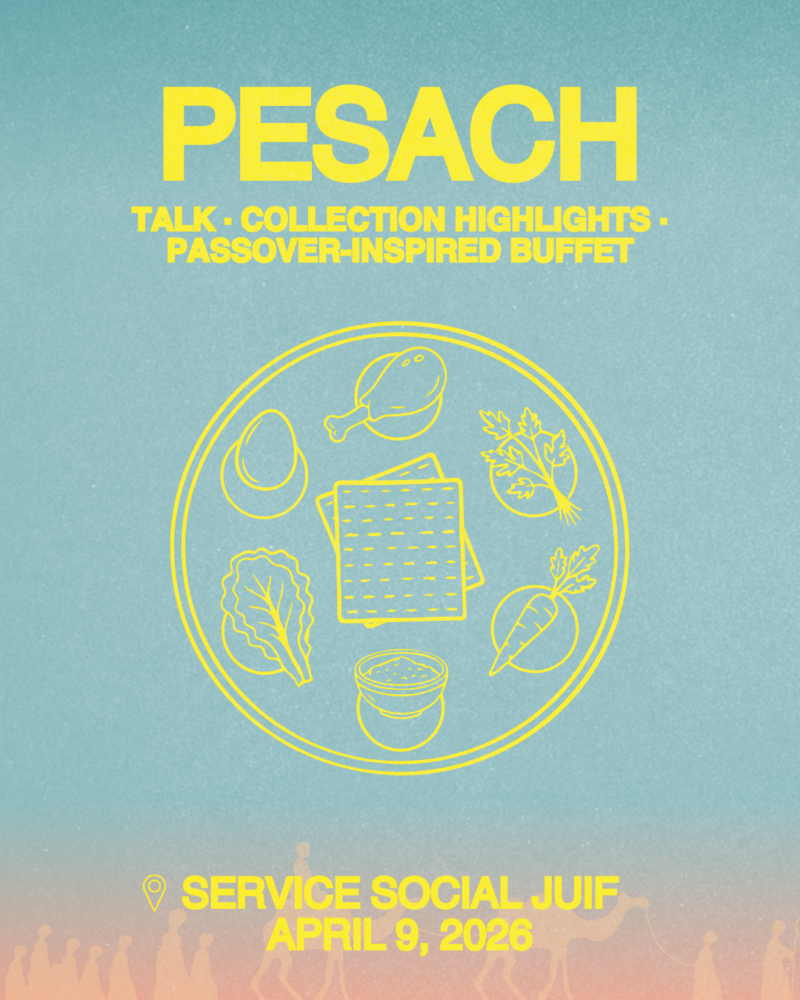
Discover the celebration of Passover with your family at the Jewish Museum of Belgium!
On Sunday, April 6, 2025, from 11:00 AM to 1:00 PM, we invite you to celebrate Passover in a warm, delicious, and cultural setting at the Jewish Museum of Belgium.
Jewish Women Voices – Episode 3: Marianne Berenhaut 💜
Today, on International Women’s Day, we reflect on the life and work of Marianne Berenhaut, an artist whose creations became closely associated with the feminist movement—though she never sought to be labeled an activist. For her, it was the sculptures themselves that carried the message.
🎧 Discover her story in the latest episode of Jewish Women Voices.
We are delighted to announce the publication of our 2024 Activity Report! This year was marked by exceptional achievements and challenges to be addressed. We would like to share with you the highlights and accomplishments that shaped our journey over the past year.
To view our 2024 Activity Report, click on the link below:
An exceptional musical event at the Jewish Museum of Belgium
On Thursday, March 27, 2025, at 7 PM, the Royal Conservatory of Brussels presents The Right to Childhood at the Jewish Museum of Belgium, a creation by Patricia Jankowska inspired by the life and work of Janusz Korczak, a key advocate for children’s rights.
A powerful musical tribute
Created by Patricia Jankowska, this project pays homage to Korczak, a pedagogue, writer, and doctor who dedicated his life to children before being deported with them to Treblinka in 1942. The music, composed by Piotr Moss, and the artistic coordination by Jean-Marc Fessard, bring this moving story to life.
Practical information
Date: Thursday, March 27, 2025
Time: 7 PM
Location: Jewish Museum of Belgium – 21, Rue des Minimes, 1000 Brussels
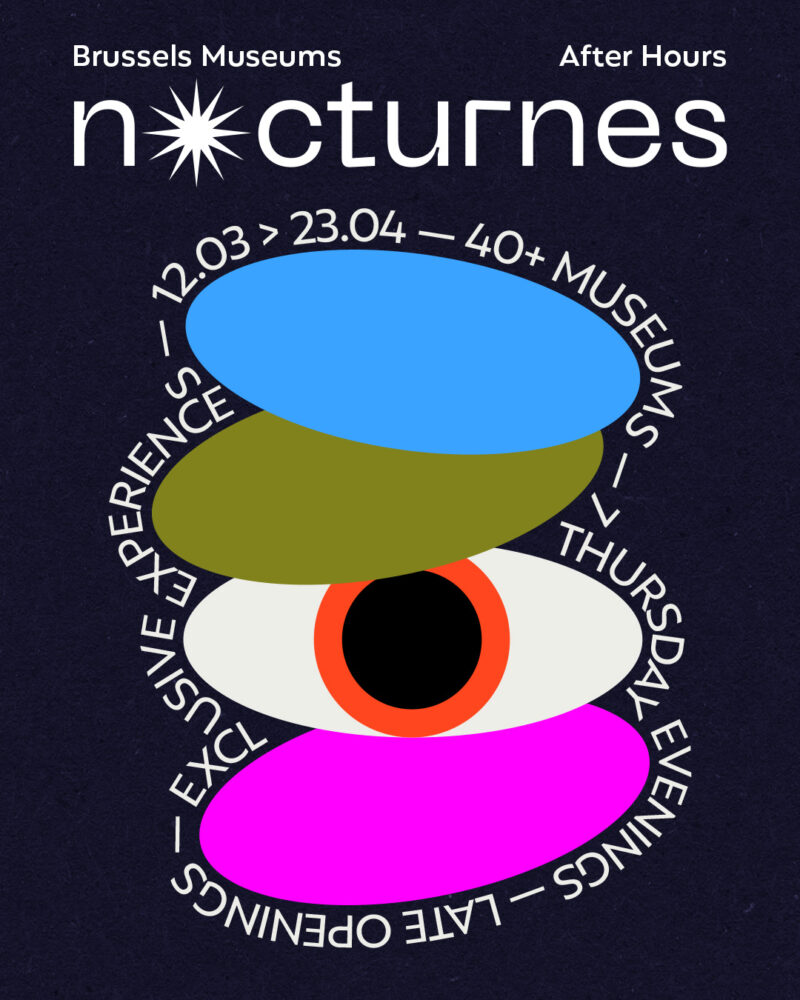
The Jewish Museum of Belgium participates in the Nocturnes on April 3, 2025!
Every Thursday evening, from March 13 to April 24, 2025, the Nocturnes invite you to discover Brussels’ museums and art centers from a new perspective. This year, the Jewish Museum of Belgium is once again joining this must-attend event and will open its doors on Thursday, April 3, from 6:00 PM to 8:30 PM.
An Exclusive Program
In an intimate and immersive atmosphere, we offer you:
Cultural Awareness Workshop | 6:30 PM – 7:30 PM Take part in a unique workshop exploring various aspects of Jewish culture through art, traditions, and narratives. A great opportunity to learn more about a fascinating heritage and engage in discussions on transmission and memory.
Testimony of a Holocaust Survivor | 7:30 PM – 8:30 PM A rare moment of listening and sharing. Come and hear the moving testimony of a survivor, an essential narrative to keep memory alive and understand history through the voices of those who lived it.
A Unique Evening
The Nocturnes offer a chance to rediscover Brussels’ museums outside regular opening hours, in a warm and welcoming atmosphere. By participating in this evening, you will have the opportunity to explore our collections differently and experience a more immersive approach to the Jewish Museum of Belgium.
Attention: the Jewish Museum of Belgium is currently undergoing renovations. The museum is only accessible for the proposed activities. There are no exhibitions.
Join us for a unique cultural and human experience!
Practical Information: 📅 Date: Thursday, April 3, 2025 🕕 Time: 6:00 PM – 8:30 PM 📍 Location: Jewish Museum of Belgium, Rue des Minimes 21, 1000 Brussels 🎟️ Admission: Free, booking required.
To book, please send an email to edu@mjb-jmb.org with your name, first name, email address, and the activity you wish to register for.
We are delighted to present the second episode of our Hidden Stories series, a unique format in our digital museum.
In this new episode, we shed light on a rare photographic archive: Jewish holiday camps after the Second World War. These holiday camps, organised under the impetus of the AIVG (Assistance to Jewish Victims of War), by associations such as Solidarité Juive and the CCSJ (Centre Culturel et Sportif Juif), offered surviving children a space for reconstruction, transmission and resilience. Far from being mere leisure camps, they were places of cultural rebirth, where young people could rediscover an identity that the war had tried to erase.
Hidden Stories invites you to explore objects and archives that go beyond mere testimonies of the past, revealing powerful narratives that shape identity and collective memory.
🎥 Watch our video to discover these exceptional archive images.
Ce site utilise des cookies pour améliorer votre expérience pendant que vous naviguez sur le site. Parmi ces cookies, les cookies classés comme nécessaires sont stockés sur votre navigateur car ils sont essentiels au fonctionnement des fonctionnalités de base du site Web. Nous utilisons également des cookies tiers qui nous aident à analyser et à comprendre comment vous utilisez ce site Web. Ces cookies ne seront stockés dans votre navigateur qu'avec votre consentement. Vous avez également la possibilité de désactiver ces cookies. Mais la désactivation de certains de ces cookies peut avoir un effet sur votre expérience de navigation.
Les cookies nécessaires sont indispensables au bon fonctionnement du site. Cette catégorie comprend uniquement les cookies qui assurent les fonctionnalités de base et les fonctionnalités de sécurité du site Web. Ces cookies ne stockent aucune information personnelle.
Tous les cookies qui ne sont pas indispensables au fonctionnement du site Web et qui sont utilisés spécifiquement pour collecter des données personnelles des utilisateurs via des analyses, des publicités et d\'autres contenus intégrés sont appelés cookies non nécessaires. Il est obligatoire d\'obtenir le consentement de l\'utilisateur avant d\'exécuter ces cookies sur votre site Web.